
Fever Medicine for Children: Safe Options, Dosing, and What to Avoid
When your child has a fever, the goal isn’t to kill it at all costs—it’s to keep them comfortable and watch for signs that something more serious might be going on. fever medicine for children, safe, age-appropriate medications used to reduce fever and ease discomfort in kids. Also known as pediatric antipyretics, these are not cure-alls but tools to help your child rest and recover. The two most trusted options are acetaminophen, a common fever reducer and pain reliever safe for infants and children when dosed correctly and ibuprofen, an anti-inflammatory that also lowers fever and lasts longer than acetaminophen. Both work differently, and knowing when to use each matters more than which one you pick first.
Wrong dosing is the biggest risk—not because the medicines are dangerous, but because parents often guess based on age or eyeball the syringe. Liquid forms come in different concentrations: 160 mg per 5 mL for children’s suspensions, and 80 mg per 1 mL for infants. Mixing them up can lead to underdosing (no relief) or overdosing (liver damage). Always check the label. Never give aspirin to a child—it’s linked to Reye’s syndrome, a rare but deadly condition. And don’t alternate acetaminophen and ibuprofen unless your doctor says so. It sounds logical, but studies show it doesn’t help much and increases the chance of dosing errors. Fever itself isn’t the enemy; it’s your child’s body fighting infection. If they’re drinking, peeing, and responsive, the number on the thermometer matters less than how they act.
Some parents reach for cold and flu mixtures thinking they’re helping, but those often contain hidden doses of acetaminophen or antihistamines that aren’t safe for young kids. The FDA warns against them for children under six. Instead, focus on hydration, rest, and the right single-ingredient fever reducer. If your child is under three months with a fever of 100.4°F or higher, call your doctor immediately—no waiting. For older kids, watch for lethargy, trouble breathing, rash, or refusal to drink. Those are red flags, not fever numbers.
Below, you’ll find real-world guidance from trusted medical sources on how to use these medicines safely, what to do when a fever won’t break, and why some common home remedies do more harm than good. These aren’t opinions—they’re based on what studies and pediatric guidelines actually say.
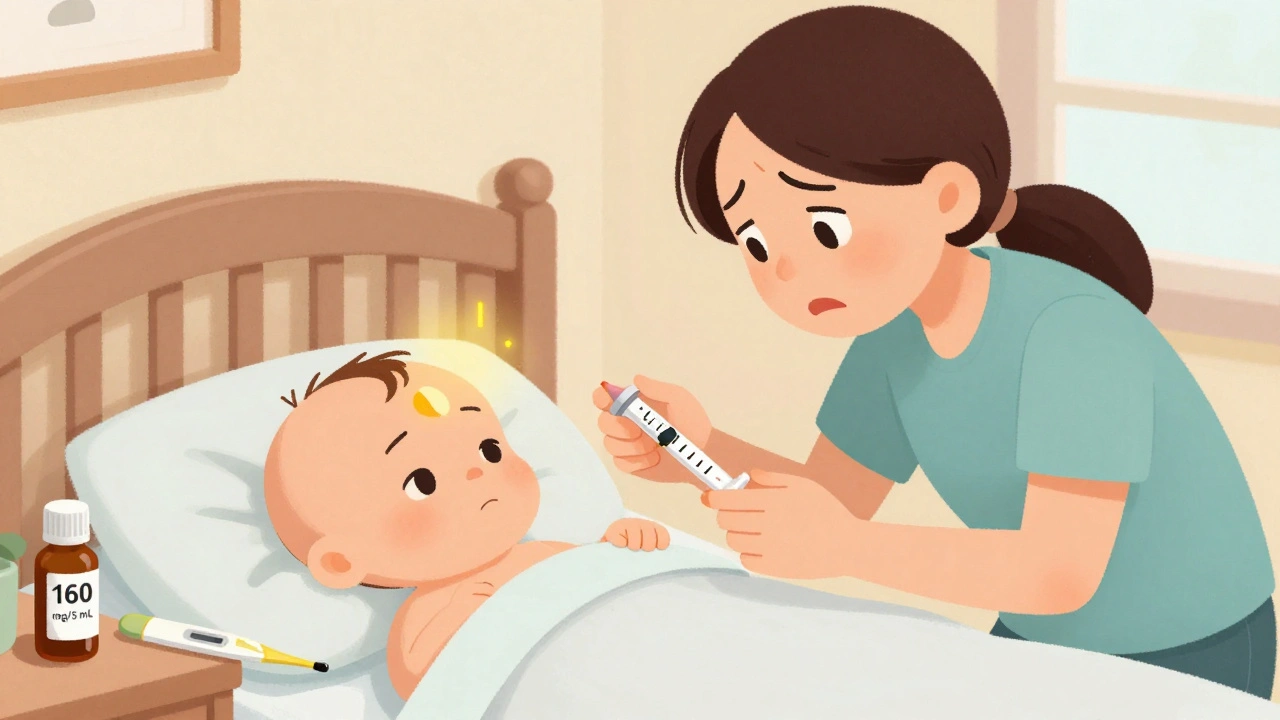
Fever Medication for Kids: Acetaminophen vs. Ibuprofen Safety Guide
Learn the key differences between acetaminophen and ibuprofen for kids under two, including dosing, safety, effectiveness, and when to call a doctor. Make smarter choices for fever and pain relief.
December 2 2025