
Early Peanut Introduction: How It Reduces Allergy Risk in Kids
When it comes to early peanut introduction, the practice of giving peanut-containing foods to infants as young as 4 to 6 months to prevent peanut allergy. Also known as peanut exposure in infancy, it’s no longer a debated idea — it’s a medical standard backed by major health organizations. For decades, parents were told to avoid peanuts until kids were three. Then came the landmark LEAP study in 2015 — it changed everything. Babies at high risk for peanut allergy who ate peanut products regularly before age one had an 80% lower chance of developing the allergy by age five. That’s not a small drop. That’s a game-changer.
This isn’t just about peanuts. peanut allergy prevention, a strategy focused on timely exposure to allergens during infancy to train the immune system is now part of broader guidelines for infant food allergies, allergic reactions triggered in babies by common foods like eggs, milk, and tree nuts. The same logic applies to eggs, dairy, and even sesame. The window matters. Waiting too long doesn’t build tolerance — it builds risk. The immune system learns what’s safe when it’s young and still learning the rules. Delaying exposure tells the body to treat these foods as threats.
But it’s not as simple as handing a toddler peanut butter. Safe peanut exposure, the controlled introduction of peanut protein to infants under medical guidance requires the right form and timing. For babies with severe eczema or egg allergy, doctors often recommend allergy testing first. For others, peanut powder mixed into purees or diluted peanut butter works. No whole peanuts — choking risk. No crunchy snacks. The goal is consistent, small doses, not one big try. Most experts suggest feeding peanut protein at least three times a week, starting between 4 and 11 months.
You won’t find this in old parenting books. You won’t hear it from well-meaning grandparents. But you will see it in every major pediatric guideline today — from the AAP to the NIH. This isn’t a trend. It’s evidence. And it’s working. Kids who eat peanut early aren’t just less likely to be allergic — they’re often completely protected. The shift has been so clear that hospitals now train nurses on how to guide parents through the first peanut feedings. It’s one of the few areas in medicine where a simple change in behavior led to a dramatic, lasting public health win.
Below, you’ll find real-world advice from parents and doctors on how to start safely, what signs to watch for, and how to handle setbacks. You’ll also see how this approach connects to other allergy prevention strategies — like early egg introduction and managing eczema. These aren’t random posts. They’re the tools you need to make smart, science-backed choices for your child’s health.
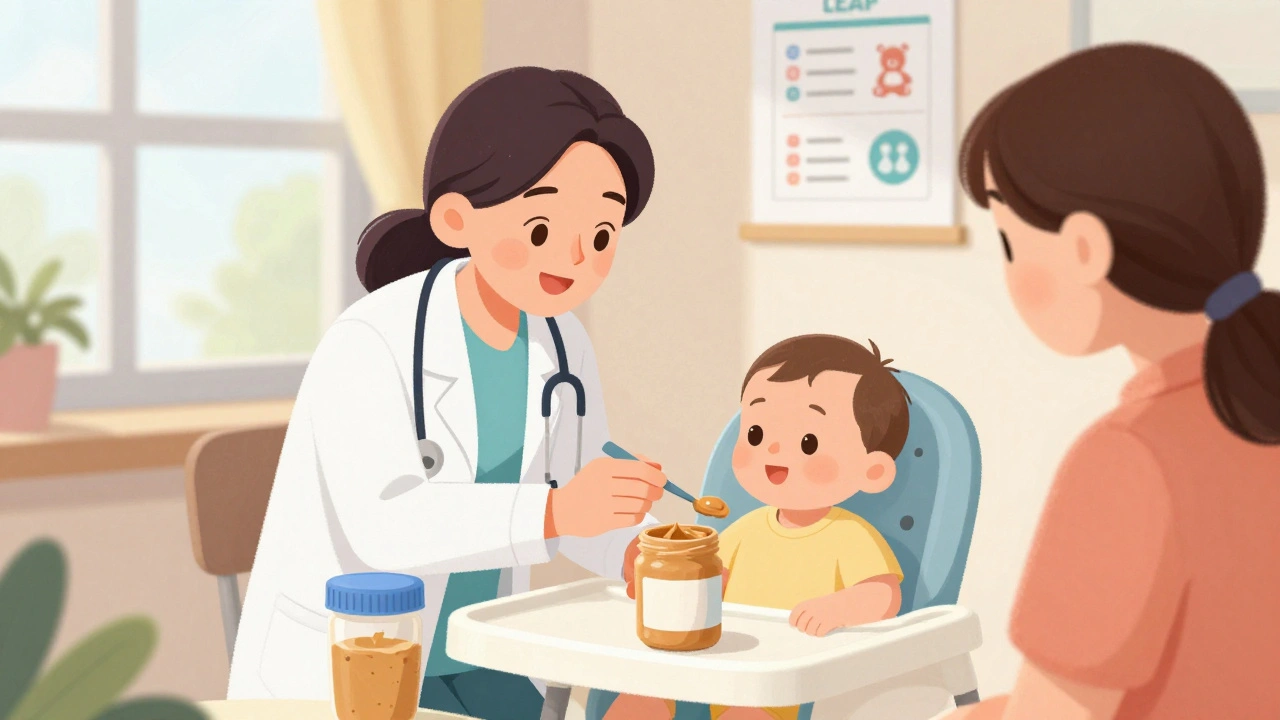
Peanut Allergy Prevention: When and How to Introduce Peanuts to Infants
Learn how early peanut introduction can prevent peanut allergy in infants, based on the latest medical guidelines. Discover the right age, safe methods, and what to avoid.
December 3 2025