
Chronic Pain Treatment: Effective Methods, Medications, and What Actually Works
When chronic pain treatment, the ongoing approach to managing pain lasting longer than three to six months, often due to injury, disease, or nerve damage. Also known as long-term pain management, it's not about curing the cause—it's about helping you live better despite it. Most people try pills first, but too many end up stuck with side effects and no real relief. The truth? Chronic pain treatment works best when it’s layered—not just one drug, but a mix of movement, mindset, and medical tools that fit your body.
It’s not just about opioid alternatives, medications or therapies used instead of opioids to manage persistent pain without the risk of addiction. Things like nerve pain, a type of chronic pain caused by damaged or overactive nerves, often described as burning, tingling, or electric shocks need different handling than joint or muscle pain. A bad back from arthritis? Maybe anti-inflammatories and physical therapy. Shooting leg pain from a pinched nerve? Maybe a nerve block or gabapentin. And if you’re stuck in a cycle of pain-sleep-anxiety-pain, you’re not broken—you just need a plan that addresses all those pieces.
Many people don’t realize that inflammation, the body’s natural response to injury or irritation that, when chronic, becomes a silent driver of long-term pain plays a huge role—even if you don’t have swelling. That’s why things like diet, stress control, and even sleep quality matter more than most doctors admit. You don’t need to be a fitness guru. Just moving a little every day, cutting back on sugar, and finding ways to relax can quietly reduce your pain load over time.
There’s no magic pill. But there are proven strategies that work together. Some people find relief with topical creams, others with acupuncture, physical therapy, or even digital tools that train the brain to respond differently to pain signals. The key is not to chase the latest trend, but to build a routine that’s sustainable. You’re not failing if one thing doesn’t work. You’re just gathering data on what your body responds to.
Below, you’ll find real-world advice from people who’ve been there—how to track what helps, when to question a prescription, why some supplements backfire, and how to spot when a treatment is doing more harm than good. No fluff. No hype. Just what actually moves the needle on chronic pain.
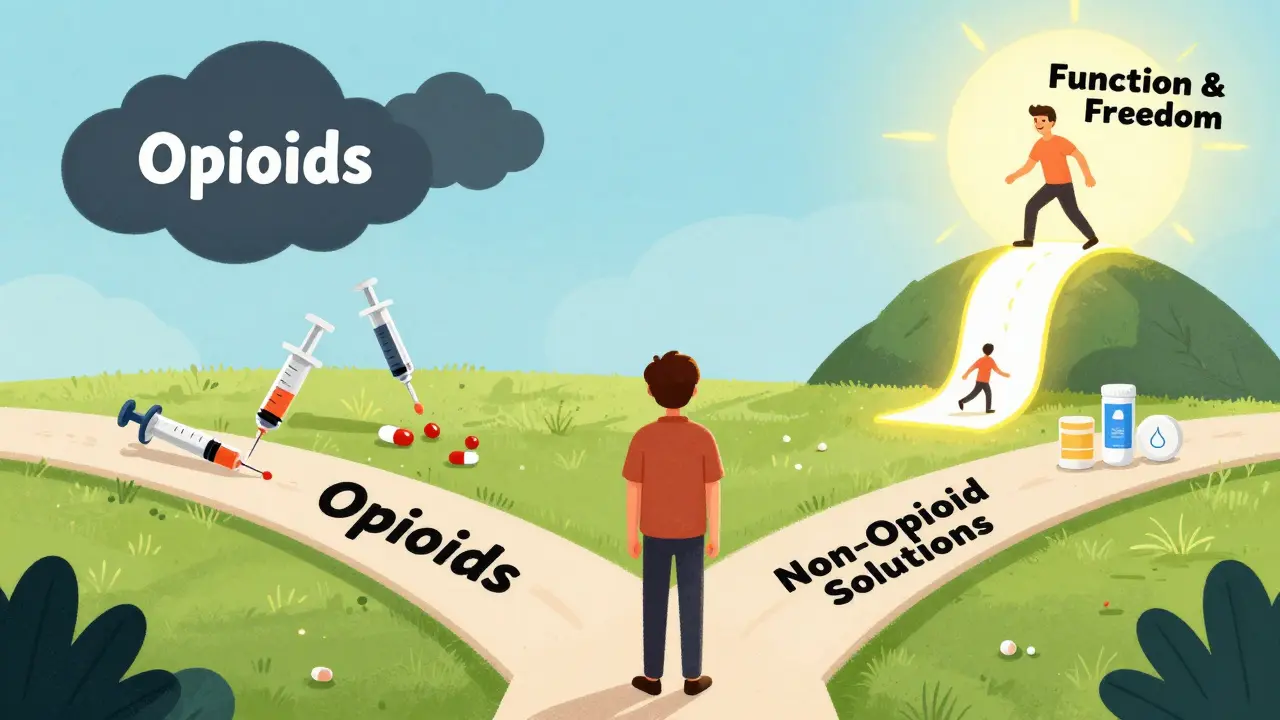
Non-Opioid Pain Management: Proven Alternatives That Actually Work
Discover proven, science-backed alternatives to opioids for managing chronic and acute pain-without the risk of addiction. Learn what works, what doesn’t, and how to start today.
December 24 2025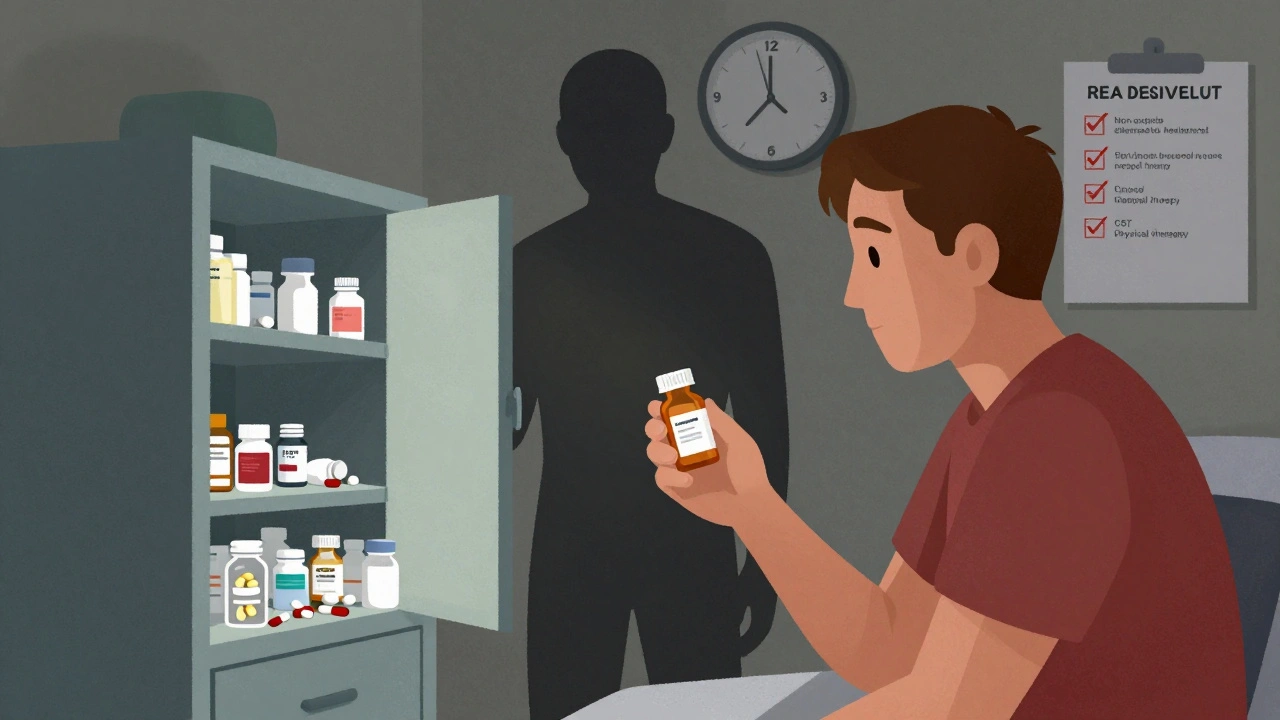
Opioid Therapy: When It’s Appropriate and the Real Risks of Dependence
Opioid therapy can help with severe pain, but it carries serious risks of dependence and overdose. Learn when it's appropriate, how to spot danger signs, and what safer alternatives exist.
December 9 2025