
Chronic Constipation Treatment: Effective Solutions and What Really Works
When chronic constipation treatment, the ongoing effort to manage infrequent, difficult, or incomplete bowel movements that last for weeks or longer. Also known as long-term stool retention, it’s not just about being "regular"—it’s about comfort, safety, and avoiding complications like hemorrhoids or bowel obstruction. If you’ve tried fiber, water, and laxatives without lasting relief, you’re not alone. Many people cycle through over-the-counter options, only to end up feeling worse. The problem isn’t always what you’re doing—it’s what you’re missing.
True chronic constipation treatment, the ongoing effort to manage infrequent, difficult, or incomplete bowel movements that last for weeks or longer. Also known as long-term stool retention, it’s not just about being "regular"—it’s about comfort, safety, and avoiding complications like hemorrhoids or bowel obstruction. isn’t just about pushing harder. It’s about understanding why your body isn’t moving things along. Common causes include slow transit time, pelvic floor dysfunction, medication side effects, or even dehydration masked as low fiber intake. Some people take opioids for pain, antidepressants for mood, or iron supplements for anemia—all of which can quietly wreck bowel function. And if you’ve been relying on stimulant laxatives for years, your colon may have lost its natural rhythm. That’s why treatment needs to be layered: fix the triggers, support the system, then retrain it.
Effective chronic constipation treatment, the ongoing effort to manage infrequent, difficult, or incomplete bowel movements that last for weeks or longer. Also known as long-term stool retention, it’s not just about being "regular"—it’s about comfort, safety, and avoiding complications like hemorrhoids or bowel obstruction. doesn’t rely on quick fixes. It’s about consistency: daily movement, enough fluids, and the right kind of fiber—not just bran cereal, but psyllium, flax, or chia seeds that actually swell and soften stool. Magnesium citrate can help, but only if you’re not already on kidney meds. Osmotic laxatives like polyethylene glycol are safer for long-term use than senna or bisacodyl. And if you’re using enemas or suppositories regularly, you might be training your body to need them. Real progress comes from identifying your personal blockers—whether it’s a medication, a habit, or an undiagnosed condition like hypothyroidism or IBS-C.
You’ll find real-world guidance here—not theory, but what people actually use and what works. From how to track your bowel habits to spotting dangerous interactions between supplements and prescriptions, this collection cuts through the noise. You’ll learn how to use a medication log to avoid worsening constipation with other drugs, when to question a generic switch, and why timing matters with magnesium and osteoporosis meds. There’s no fluff, no hype—just clear, practical steps to get your digestive system working the way it should.
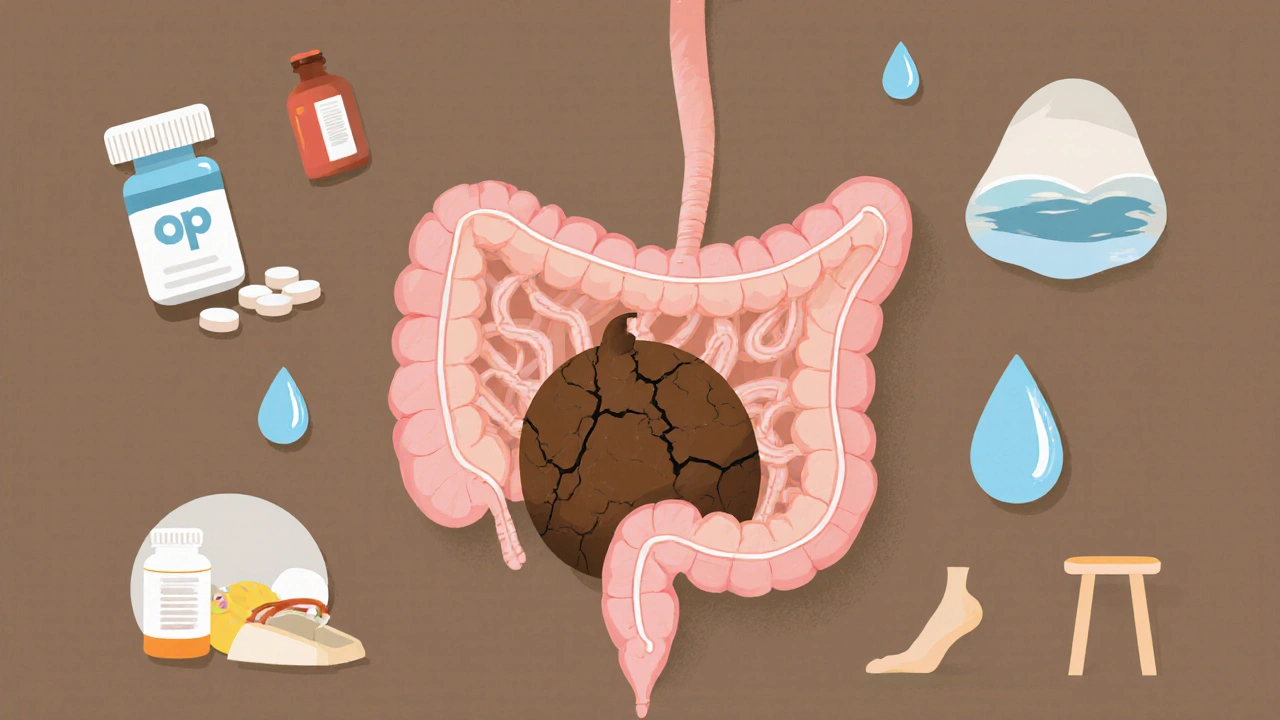
Constipation: Causes, Laxatives, and Long-Term Management
Constipation affects millions, but most treatments fail because they ignore root causes. Learn what really triggers it, which laxatives work safely long-term, and how lifestyle changes beat pills.
November 14 2025