
Biosimilars: What They Are, How They Work, and Why They Matter
When you hear biosimilars, highly similar versions of complex biologic drugs approved after the original patent expires. Also known as biologic generics, they offer the same clinical results as the original drug but at a fraction of the cost. Unlike regular generic pills, which are simple chemical copies, biosimilars are made from living cells—so they’re not exact copies, but close enough to work just as well. The FDA requires them to match the original in safety, purity, and potency, with no meaningful difference in how they treat conditions like rheumatoid arthritis, Crohn’s disease, or cancer.
Biosimilars aren’t just about saving money—they’re about making life-changing treatments accessible. Drugs like Humira, Enbrel, and Remicade can cost over $2,000 a month. Their biosimilar versions often cost 30% to 50% less, which means more patients can stay on treatment without bankruptcy or skipping doses. This matters because stopping biologics can lead to flare-ups, hospitalizations, or worse. The same biologic drugs, complex medications made from living organisms to target specific parts of the immune system that treat severe autoimmune diseases are the ones being copied. And when you switch from a brand-name biologic to a biosimilar, you’re not trading quality for price—you’re getting the same outcome with better affordability.
Not all biosimilars are created equal, though. Some work better for certain patients, and doctors need to monitor how your body responds. That’s why tracking symptoms and lab results after a switch is critical—something covered in posts about generic medication effectiveness, how to spot when a cheaper version doesn’t work the same as the brand. You can’t assume all biosimilars behave identically, especially for drugs with a narrow therapeutic index. But when they do work, they’re a win: fewer side effects than older treatments, fewer hospital visits, and more control over chronic conditions.
People often confuse biosimilars with regular generics. They’re not the same. A generic aspirin is a simple molecule you can recreate in a lab. A biosimilar is like cloning a complex machine made of proteins—tiny changes in the manufacturing process can affect how it works. That’s why regulators demand extensive testing. It’s not just about cost—it’s about safety. And that’s why knowing how to check drug labels on DailyMed, the official U.S. government source for FDA-approved drug information matters. You need to know exactly what you’re taking, especially when switching from a brand to a biosimilar.
There’s also a growing conversation around medication safety, how to avoid errors when using complex drugs like biologics and their biosimilar versions. Many patients are on multiple meds, and mixing biosimilars with other drugs—like TNF inhibitors for ankylosing spondylitis or insulin for diabetes—requires careful coordination. Using one pharmacy for all your prescriptions reduces the risk of dangerous interactions. That’s not just advice—it’s a proven safety step.
What you’ll find below are real-world stories and guides from people who’ve switched to biosimilars, doctors explaining how they’re prescribed, and practical tips on monitoring your response. Whether you’re managing arthritis, cancer, or an autoimmune disorder, this collection gives you the facts you need to ask the right questions—and make smarter choices about your treatment.
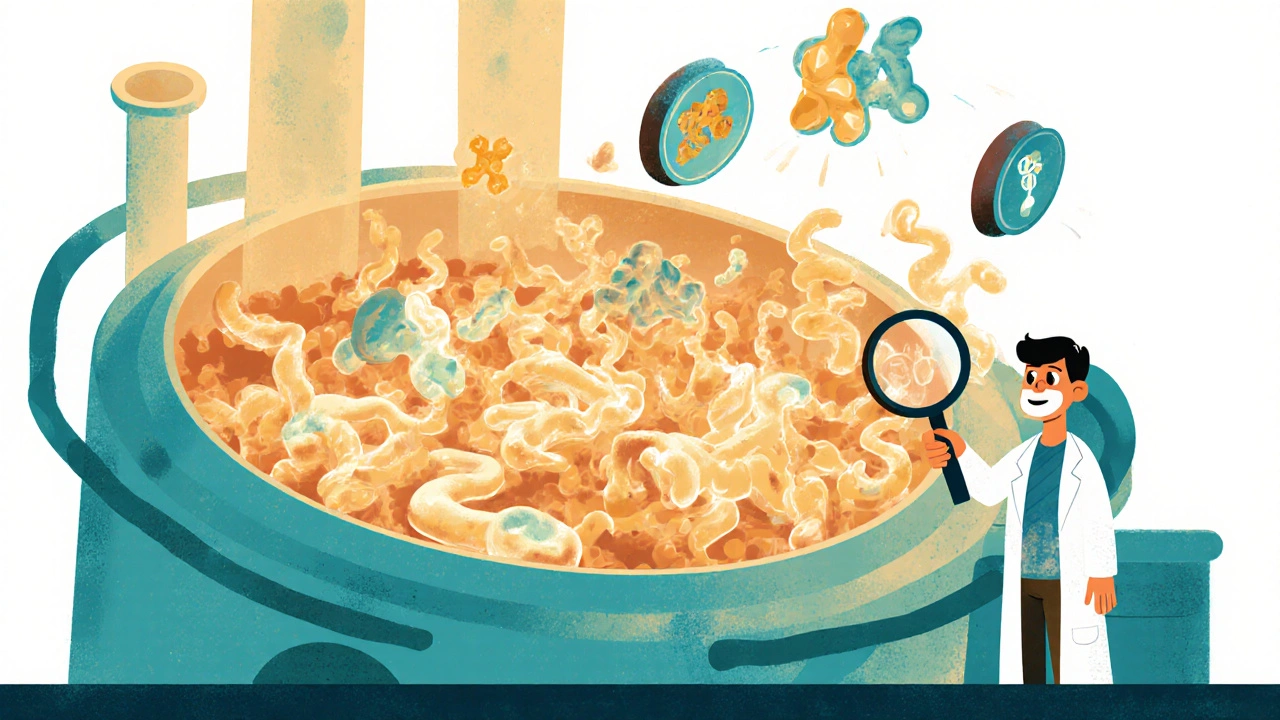
Lot-to-Lot Variability in Biologics and Biosimilars: What You Need to Know
Lot-to-lot variability is natural in biologics and biosimilars due to their complex manufacturing. Learn how regulators ensure safety despite molecular differences, why biosimilars aren't generics, and what this means for patients and labs.
November 23 2025