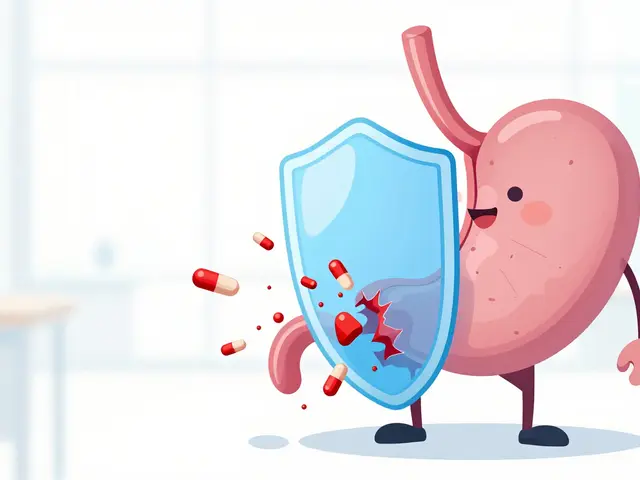
Taking a quick pill for a headache or joint pain seems harmless, but for millions of people, NSAID safety is a serious conversation. These drugs are incredibly effective at killing pain, but they don't just target the site of your injury-they change how your body protects its own organs. From stomach lining erosion to sudden kidney stress, the trade-off for pain relief can be steep if you aren't watching the clock and your labs.
Quick Takeaways for Safe Use
- Stomach Protection: Long-term use can lead to ulcers in up to 15% of users; consider PPIs if you are high-risk.
- Kidney Warning: Avoid these drugs if you have stage 3+ chronic kidney disease (eGFR <60).
- The "Dose" Rule: Always use the lowest effective dose for the shortest possible time to lower complication risks.
- Red Flags: Watch for dark, tarry stools or sudden swelling in your legs.
How NSAIDs Affect Your Gut
When you take a NSAID (Nonsteroidal Anti-Inflammatory Drug), it stops enzymes called cyclooxygenase (COX). While this stops the inflammation causing your pain, it also shuts down the production of prostaglandins. In your stomach, these prostaglandins are like a protective shield; without them, stomach acid can eat right through your lining.
This isn't just a theoretical risk. According to the American College of Gastroenterology, these complications lead to over 100,000 hospitalizations a year in the US alone. You might experience simple dyspepsia-that burning feeling in your upper abdomen-which affects up to 40% of users. But it can get worse. Peptic ulcers can develop, leading to bleeding that is sometimes "occult," meaning it's invisible to the naked eye but slowly drains your iron levels, leaving you anemic and exhausted.
Interestingly, the damage isn't limited to the stomach. NSAID-induced enteropathy can damage the lower GI tract. Unlike the stomach, we don't have a great way to prevent or treat this lower-gut injury yet, which makes the duration of your treatment the most critical factor in your safety.
The Hidden Danger to Your Kidneys
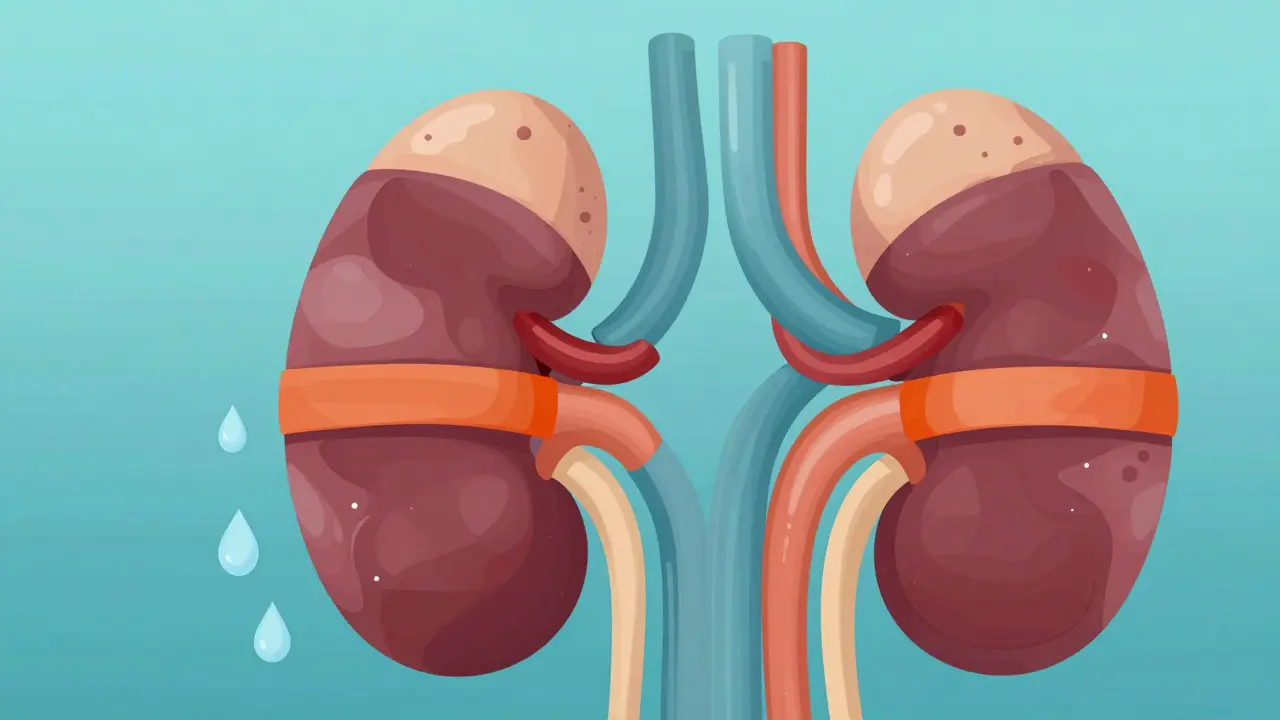
Your kidneys rely on prostaglandins to keep blood flowing smoothly through their filters. When an NSAID blocks these, it can cause renal vasoconstriction-essentially narrowing the pipes. If you're already dehydrated or have pre-existing kidney issues, this can trigger Acute Kidney Injury (AKI).
For most people, this happens silently. You won't feel your glomerular filtration rate drop, but you might notice swelling in your ankles or a change in how often you urinate. The FDA has mandated boxed warnings for patients over 65 because the kidneys naturally lose some efficiency with age, making them far more susceptible to these drugs. If you have chronic kidney disease (CKD) at stage 3 or higher, the current medical consensus is to avoid these medications entirely to prevent permanent organ damage.
Comparing Non-Selective vs. Selective Inhibitors
Not all pain relievers are created equal. You'll generally find two types: non-selective drugs (like ibuprofen and naproxen) and COX-2 selective inhibitors (like celecoxib).
Non-selective drugs hit both COX-1 (the protective enzyme) and COX-2 (the inflammatory enzyme). Because they kill the protective COX-1, they are much harder on the stomach. Selective inhibitors, on the other hand, mostly target the inflammation, which is why many people find them easier on their gut.
| Attribute | Non-Selective (e.g., Naproxen) | COX-2 Selective (e.g., Celecoxib) |
|---|---|---|
| Upper GI Bleeding Risk | High (up to 4.2x increase) | Moderate (approx. 1.9x increase) |
| Stomach Lining Impact | Significant (COX-1 inhibition) | Lower (COX-2 targeted) |
| Cardiovascular Risk | Variable | Potentially Higher |
| Kidney Stress | Present | Present |
How to Monitor Your Health While on NSAIDs
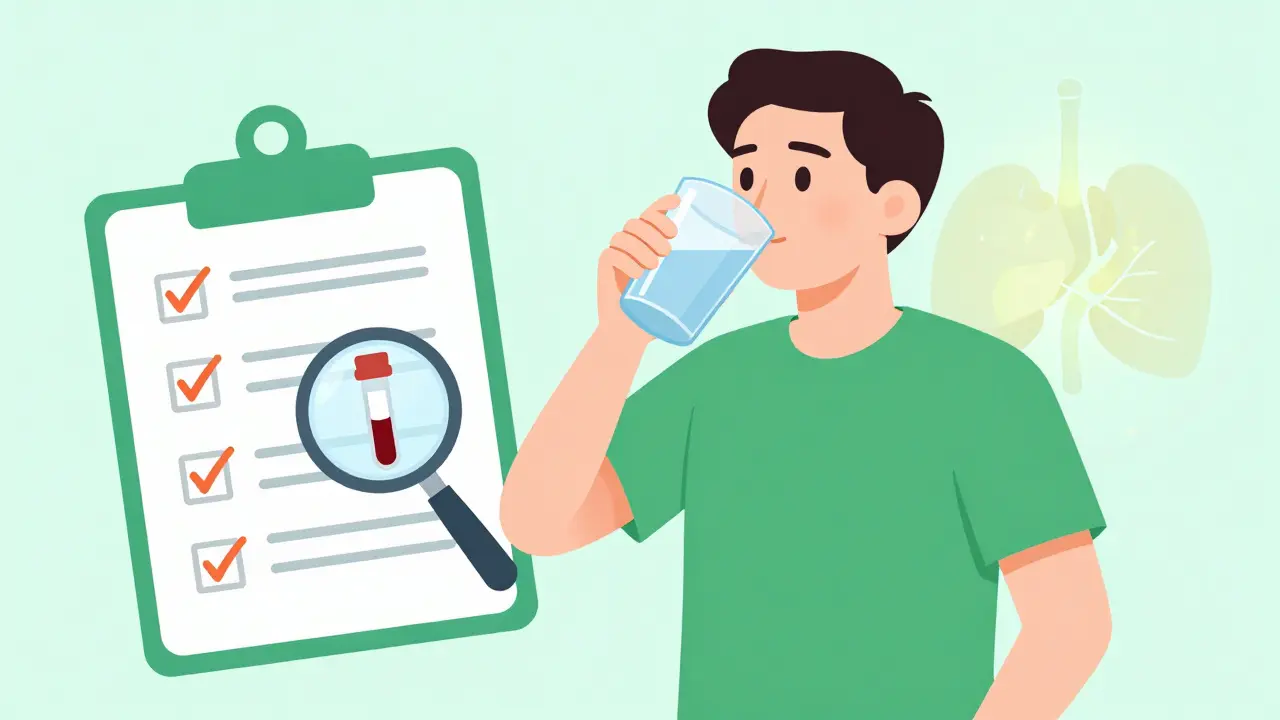
If you need to be on these medications long-term-perhaps for osteoarthritis-you can't just "set it and forget it." Proactive monitoring is the only way to catch damage before it becomes a crisis. Because many GI issues are asymptomatic until a bleed occurs, you need a data-driven approach.
First, get your baseline labs. You should have your Serum Creatinine and Blood Urea Nitrogen (BUN) checked within 30 days of starting the medication. This tells your doctor how your kidneys are handling the drug. If these numbers creep up, it's time to reconsider the dose.
Second, track your blood. A complete blood count (CBC) can reveal occult bleeding-the kind you can't see. For those at high risk, such as people over 75 or those with a history of ulcers, a fecal occult blood test every six months is a smart safety net.
Finally, be wary of drug combinations. Taking SSRIs (common antidepressants) alongside NSAIDs can increase your bleeding risk by over three times. If you are on blood thinners or corticosteroids, your risk profile jumps significantly, and you likely need a preventative strategy.
Risk Mitigation: Protecting Your Organs
If you are in a high-risk category, your doctor might suggest Proton Pump Inhibitors (PPIs). These drugs reduce stomach acid and can cut the risk of ulcer complications by up to 90%. However, it's not a perfect solution. There is a growing concern that using PPIs and NSAIDs together for 4 to 12 months can increase the risk of microscopic colitis-a type of inflammation in the colon.
To stay safe, follow these rules of thumb:
- Prioritize alternatives: If you can manage pain with topical gels or physical therapy, do that first.
- The "Short-Hedge" Method: Only take the medication during flare-ups rather than daily. Every extra week of use increases complication risks by about 3-5%.
- Hydration is non-negotiable: Since NSAIDs constrict renal blood flow, being dehydrated makes the drug far more toxic to your kidneys. Drink plenty of water.
- Use a risk calculator: Doctors often use point systems (like the ACG calculator) where factors like age over 65 or a history of ulcers add points. If you score high, don't start an NSAID without a protective plan.
Can I take ibuprofen and naproxen together?
No. Both are non-selective NSAIDs. Taking them together doesn't provide extra pain relief but it does double the risk of stomach bleeding and kidney stress. Stick to one and use the lowest dose possible.
What are the early warning signs of kidney trouble from NSAIDs?
Watch for swelling (edema) in your legs and ankles, a sudden decrease in urine output, or unexplained fatigue. Since these often happen without pain, regular blood tests for creatinine are the only reliable way to monitor kidney health.
Are COX-2 inhibitors completely safe for the stomach?
They are safer, but not "safe." While they significantly reduce the risk of upper GI bleeding compared to ibuprofen or naproxen, they can still cause issues, and they may carry a higher risk of cardiovascular events like heart attack or stroke in some patients.
Does taking an NSAID with food prevent ulcers?
Taking medication with food helps reduce the direct topical irritation of the stomach lining, but it doesn't stop the systemic inhibition of prostaglandins. This means you might avoid a stomach ache, but your body is still losing its internal protective shield.
How long does it take for NSAID side effects to appear?
It varies. Some people experience GI upset within 72 hours of their first dose. However, serious issues like peptic ulcers or chronic kidney decline usually develop over weeks or months of consistent use.
Next Steps for Different Users
For the Occasional User: If you only take an NSAID once every few months for a headache, your risk is low. Just avoid taking them on an empty stomach and stay hydrated.
For the Chronic User: If you take these daily for arthritis, schedule a blood test every 3-6 months to check your kidney function. Talk to your doctor about whether a COX-2 inhibitor or a PPI is right for your specific risk level.
For High-Risk Patients (Elderly or CKD): If you have a history of ulcers or kidney disease, look into non-drug alternatives or different classes of pain medication. The risk of a major bleed or kidney failure often outweighs the benefit of these specific drugs.