
The Dangerous Reality of Lost Tolerance
Walking back into a room after being away for months feels different than walking into a house you live in every day. Your body works the same way when it comes to medications. If you take a break from a drug, your physical tolerance drops dramatically. What was a normal dose yesterday could become a lethal dose today. This mismatch is one of the leading causes of accidental death in healthcare settings and recovery environments.
Research from major health departments shows that tolerance can vanish in just a few days. For powerful substances like methadone, losing tolerance takes only three to five days. Opioids are particularly risky because they suppress breathing, and a reduced tolerance means your lungs stop working properly much faster. A patient who steps off treatment for a week and then returns to their old dosage often faces a fatal respiratory depression. The body simply isn't prepared to handle the chemicals anymore.
Imagine driving a car you haven't driven in years. You might get behind the wheel and press the gas too hard because your feet don't remember the road conditions. That is exactly what happens pharmacologically. The National Institute on Drug Abuse highlights that individuals who relapse after abstinence face greater risks than new users. They carry an addiction mindset but possess the physiological vulnerability of a beginner.
Understanding How Tolerance Disappears
Tolerance isn't magic; it is biology. Over time, receptors in your brain adapt to the presence of a substance. They downregulate, meaning there are fewer of them available to receive the drug's signal. When you stop taking the medication, these receptors regenerate. They return to a sensitive state very quickly.
For short-acting drugs like heroin, this regeneration happens within 72 hours. For longer-acting maintenance therapies like methadone, it might take up to ten days. However, even a short break in prison, hospital, or during a voluntary detox period resets the clock. Washington State Department of Health guidelines note that restarting opioid use after a change in dose or a break is a primary factor in overdose statistics. About 62% of fatal overdoses occur within three days of discharge from facilities where medication was paused.
This biological reset applies to more than just painkillers. Benzodiazepines, commonly known as benzos, work on similar pathways. They calm the central nervous system but also carry high overdose risk when mixed with other depressants. Stopping cold turkey and then returning to the previous maintenance dose creates a dangerous gap between your intake and your capacity to metabolize the drug safely.
High-Risk Medications and Their Timelines
Not all drugs pose the same level of danger when restarted. Some cause immediate breathing issues, while others cause internal chemical imbalances that take hours to manifest. You need to know which category your medication falls into before making any decisions.
| Medication Class | Risk Factor | Minimum Wait Time to Reassess | Recommended First Dose |
|---|---|---|---|
| Short-acting Opioids | Respiratory Failure | 3-5 Days | 25% of Previous Dose |
| Methadone | Severe Sedation | 7-10 Days | 50% of Maintenance Dose |
| Monoamine Oxidase Inhibitors (MAOIs) | Serotonin Toxicity | 2 Weeks Minimum | Requires Doctor Approval |
| Benzodiazepines | Sedation & Coma | 1 Week | Low Starting Dose |
If you are looking at antidepressants, specifically Monoamine Oxidase Inhibitors, the stakes involve a condition called serotonin syndrome. Serotonin Toxicity occurs when too much serotonin builds up in the brain. It is life-threatening and requires a washout period of several weeks between stopping one drug and starting another serotonergic agent. A case study involving venlafaxine showed that restarting too soon led to acute toxicity. Always follow the specific washout periods for psychotropic medications.
The Start Low, Go Slow Protocol
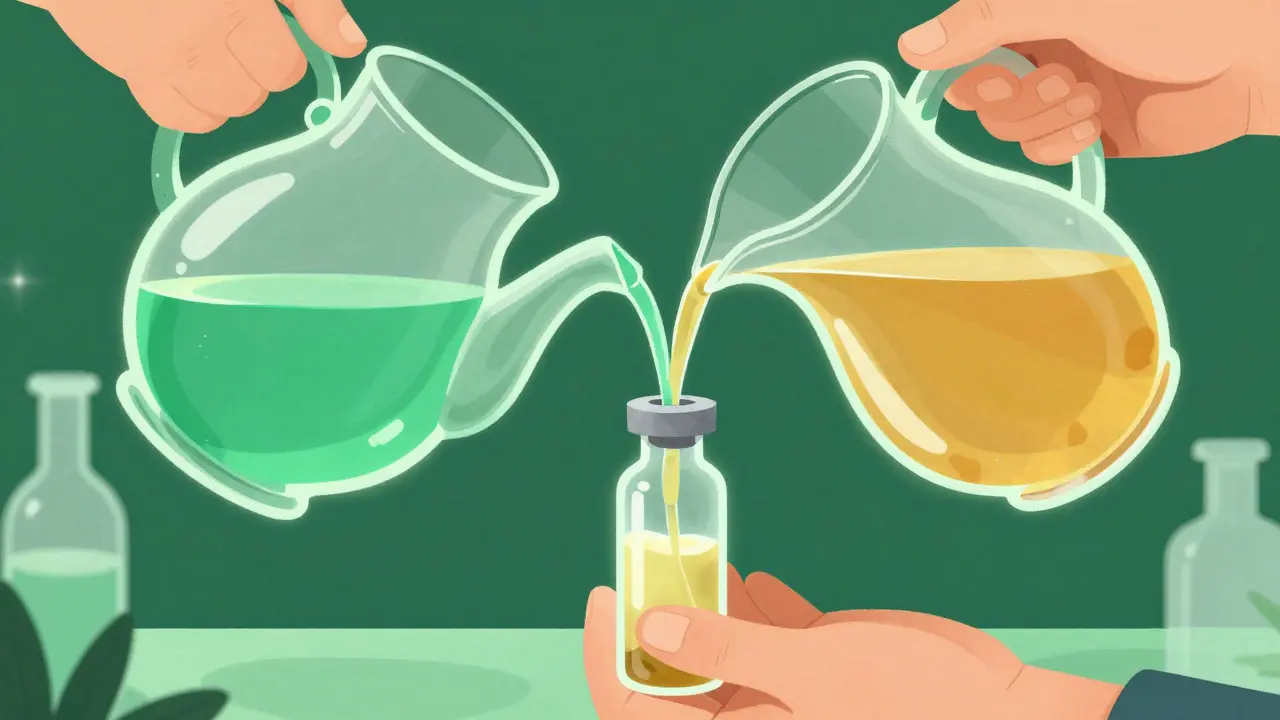
When medical professionals discuss restarting therapy, they almost always recommend a conservative approach. The Calgary Clinical Pharmacology service suggests beginning at roughly 25% to 50% of your last maintenance dose. This is not about getting high or achieving full therapeutic relief immediately; it is about proving your system can still process the drug.
Here is how a safer restart looks in practice:
- Step 1: Confirm Need. Ask yourself if you actually need this medication right now. Sometimes symptoms improve on their own, and restarting introduces unnecessary risk.
- Step 2: Calculate Reduction. Cut your previous dose in half. If you were taking 10mg, do not take 5mg yet. Start with 2.5mg to see how your heart rate and breathing respond.
- Step 3: Monitor Symptoms. Watch for pinpoint pupils, shallow breathing (below 12 breaths per minute), or extreme drowsiness within the first two hours.
- Step 4: Increment Gradually. Increase the dose slowly over days, not hours. Never jump back to your old amount until a doctor confirms your tolerance has returned.
Dr. Sevransky noted in clinical reviews that adjusting dosage based on clinical state is essential. It is better to under-medicate initially and build up slowly than to assume your old dose is safe. If you feel anxious about this process, consider seeking a supervised setting. Medically supervised restart programs show significantly higher success rates compared to unsupervised attempts.
The Role of Naloxone in Overdose Prevention
Even with caution, mistakes happen. Having Naloxone on hand is non-negotiable if you are dealing with opioids. This medication reverses opioid effects rapidly and restores normal breathing patterns. Think of it as a seatbelt for your medication routine. The U.S. Department of Health considers access to this resource part of national strategy, but in Australia, it remains a critical safety tool recommended by local health authorities as well.
You should never store Naloxone alone. Share it with a trusted friend or family member. The logic is simple: if you overdose, you may not be able to administer it yourself. A companion can inject or spray the nasal form while calling emergency services. Insurance coverage for Naloxone has improved recently, making it easier to obtain through pharmacies without complex barriers.
Special Circumstances: Incarceration and Hospitalization
Leaving jail or leaving a hospital bed puts you at the peak of danger. These are transition points where medication is withheld for days or weeks. Upon release, many people instinctively want to return to their pre-incarceration or pre-hospital doses immediately. This impulse kills people every year.
Hospitals are increasingly implementing formal guidelines following alerts from joint commission bodies. In the United States, about 78% of hospitals now use these protocols, but gaps remain globally. If you are discharged, demand a clear plan for your home environment. Ask specifically about "tolerance assessment." If a doctor says you are ready for your full dose, ask why. If the answer isn't rooted in recent blood work or observed testing, proceed with caution.
Polypharmacy is another silent killer. Mixing alcohol, sleep aids, or benzodiazepines with your restarted opioid drastically lowers the threshold for overdose. Washington State guidelines warn specifically against these combinations. Keep your medication regimen clean and isolated during the restart phase. Do not mix systems.
Recognizing Early Warning Signs
Your body sends signals before it shuts down completely. You need to respect them. Pinpoint pupils are a classic sign of opioid excess, even if you don't feel sleepy yet. Slurred speech indicates the drug is affecting your motor control centers. If you notice these signs, stop taking more of the medication immediately. Lie on your side in a recovery position to prevent choking on vomit.
Monitor your friends who restart, too. Peer pressure often pushes people to take full doses to prove they are "okay." Resist that pressure. Recovery or stabilization is a personal biological timeline, not a social challenge. Community discussions on forums like Reddit highlight how many users took their usual dose after a week off and ended up in emergency care. Listen to those stories; they are data points that save lives.
Long-Term Management Strategies
Avoiding overdose isn't just about the first dose. It is about managing the relationship with the drug long-term. Regular check-ins with a healthcare provider are necessary. If you are prescribed controlled substances, ensure your prescription history is accurate. Gaps in records often lead doctors to increase doses unnecessarily, thinking you are withdrawing, when in fact you just need a stable baseline.
Consider advanced options like extended-release naltrexone for specific scenarios. Research from Johns Hopkins suggests certain prophylactic measures reduce risk significantly during the first 30 days. Technology is also stepping in, with wearables capable of detecting irregular breathing patterns emerging in trials. While we wait for these tools to become mainstream, sticking to manual monitoring and having support is your best defense.

Paul Vanderheiden
March 27, 2026 AT 11:50i hope everyone sees this post because it really explains why waiting makes such a huge difference in safety
tyler lamarre
March 29, 2026 AT 10:17The general population refuses to grasp biological mechanics until disaster becomes unavoidable in their personal circles
kendra 0712
March 29, 2026 AT 11:42You make a strong point about the mindset shift needed!! Safety is definitely paramount when dealing with receptors!! Please take care of yourselves!!
Debra Brigman
March 30, 2026 AT 15:38The human body is a fragile instrument that remembers everything we feed it
Chemical pathways remain altered even during periods of total abstinence
We often assume strength returns to baseline overnight after stopping substances
This assumption is dangerously incorrect according to medical literature
Tolerance fades quietly while the mind expects power to remain intact
It is like expecting a muscle to stay built without resistance training
Receptors regenerate rapidly and sensitivity spikes upon re-exposure
We see graphs showing rapid decline in threshold levels within days
Ignorance leads many to repeat fatal patterns from previous addiction cycles
Wisdom requires acknowledging vulnerability rather than fighting ghosts of past usage
Each individual carries a unique metabolic clock that runs faster than expected
Nature dictates these rules regardless of personal desire or convenience
Moralizing about addiction rarely changes the biochemistry involved in the brain
Practical steps like low dosing save lives more than lectures ever will
The choice to prioritize breathing over euphoria defines true survival skills
Respect the process and let your physiology recover at its own pace
Kameron Hacker
March 30, 2026 AT 23:20Your poetic metaphors dilute the urgent necessity of strict clinical protocols required for patient safety management
Poppy Jackson
April 1, 2026 AT 13:31the thought of someone returning to old habits scares me deeply and honestly brings tears to my eyes
Jordan Marx
April 2, 2026 AT 06:07pharmacodynamic rebound effects are indeed significant factors we must consider when discussing maintenance therapy relapses
clear communication regarding dose titration schedules remains essential for preventing adverse outcomes
clinical monitoring supports better adherence to safer restart parameters
Rohan Kumar
April 2, 2026 AT 08:34big corps just want us scared to buy more meds lol 🤦♂️ they never tell us the truth about natural recovery times 😒
gina macabuhay
April 4, 2026 AT 01:27Your dismissive attitude toward established health guidelines displays a concerning lack of empathy for victims of overdose
Spreading unfounded conspiracy theories undermines public safety initiatives significantly
Read the official department reports instead of guessing online