
Prescription Drug Safety: Avoid Mistakes, Prevent Overdoses, and Stay Protected
When you take a prescription drug safety, the practices and habits that keep you from harm when using medications prescribed by a doctor. Also known as medication safety, it’s not just about following the label—it’s about understanding how your drugs work together, how to store them, and when to ask questions. Many people think if a doctor prescribed it, it’s automatically safe. But that’s not true. A pill that helps one person can hurt another if it mixes with their other meds, food, or even supplements. That’s why prescription drug safety isn’t a one-time check—it’s a daily habit.
One of the biggest risks? drug interactions, when two or more medications affect each other’s strength, speed, or side effects. For example, magnesium supplements can slash the effectiveness of osteoporosis drugs like Fosamax by up to 60% if taken too close together. Or take penicillin: most people who say they’re allergic to it aren’t—they just had a side effect like nausea or rash. Getting tested could open up better, safer treatment options. Then there’s overdose prevention, the process of avoiding accidental poisonings from too much medication, alcohol, or dangerous combinations. A simple medication log, a written or digital record of what you take, when, and how you feel cuts your risk of mixing pills or doubling up. One woman tracked her meds for six months and caught that her blood pressure drug was causing dizziness only when she drank coffee—something her doctor never asked about.
It’s not just about what you take—it’s about where you get it. Using one pharmacy for all your prescriptions gives your pharmacist a full picture of your meds. That means they can flag dangerous combos before you even leave the counter. And it’s not just pills. Liquid antibiotics need refrigeration. Steroid nasal sprays like Rhinocort work best with daily use, not just when symptoms flare. Topical steroids can thin your skin if used too long. Even storing your meds wrong—like leaving amoxicillin suspension out on the counter—can make them useless. And if you’re traveling with controlled substances, you need a letter. Not a note. A letter. Customs doesn’t care if you’re nice—they care if you have paperwork.
There’s no magic trick to prescription drug safety. It’s not about remembering every side effect. It’s about asking: Is this the right drug for me right now? Could this mix with something else? Do I even still need this? The posts below give you the exact tools to answer those questions. You’ll find step-by-step guides on tracking meds, avoiding dangerous combos, spotting fake allergies, and using simple tools like logs and one-pharmacy systems to stay safe. No fluff. No theory. Just what works.
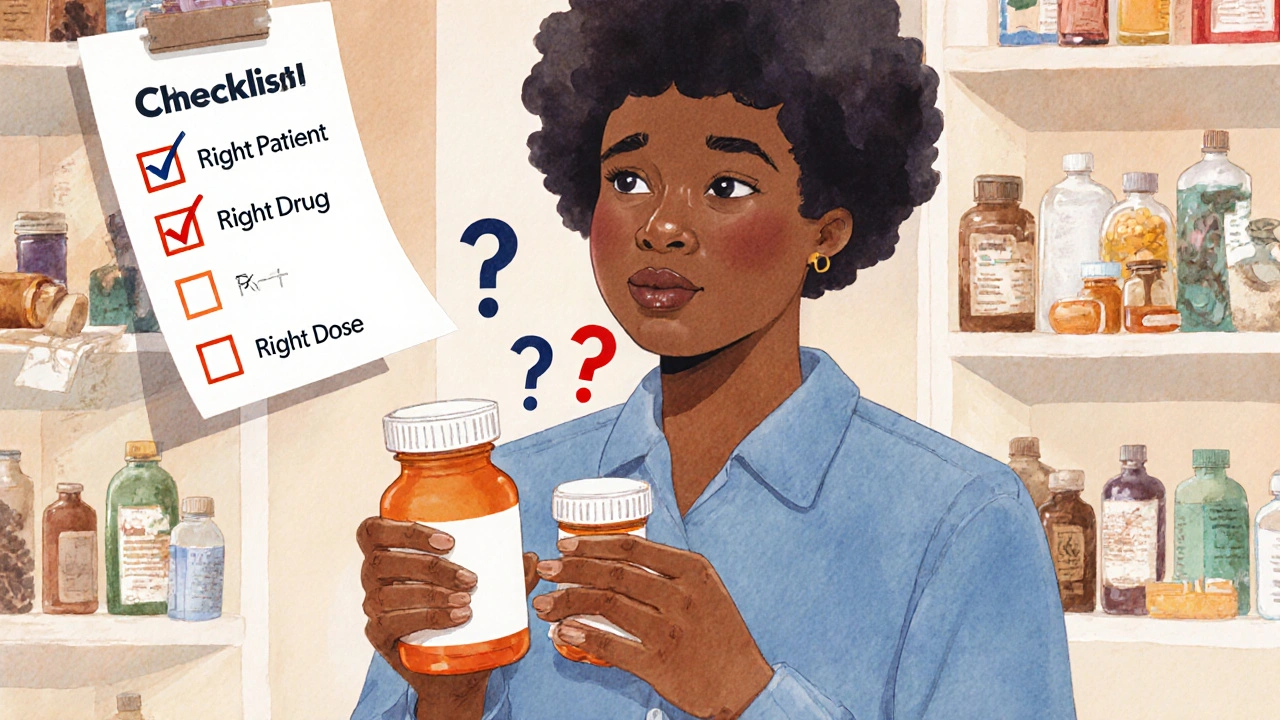
Medication Safety Basics: How to Use Prescription Drugs Responsibly
Learn how to use prescription drugs safely with practical steps to avoid errors, reduce side effects, and prevent dangerous interactions. Essential tips for patients managing multiple medications.
November 12 2025