
Penicillin Side Effects: What You Need to Know Before Taking It
When you take penicillin, a widely used antibiotic that kills bacteria causing infections like strep throat, pneumonia, and skin abscesses. Also known as penicillin G or amoxicillin, it's one of the most common antibiotics prescribed worldwide—but it’s not harmless. Many people think antibiotics are safe because they’re over-the-counter in some countries or handed out like candy in clinics. But penicillin side effects can range from mild rashes to life-threatening reactions, and most people don’t know the signs until it’s too late.
One of the biggest risks isn’t nausea or diarrhea—it’s penicillin allergy, a dangerous immune response that can cause hives, swelling, trouble breathing, or anaphylaxis. Around 10% of people say they’re allergic to penicillin, but studies show nearly 90% of them aren’t actually allergic when tested. Still, if you’ve ever had a rash after taking it, or your throat closed up after a shot, you should never take it again without a doctor’s clearance. Even if you had a reaction as a kid, it doesn’t mean you’re still allergic—but you need to get checked. This isn’t guesswork. A simple skin test can confirm it.
Other side effects like upset stomach, vomiting, or yeast infections happen often enough that they’re considered normal. But if you develop severe diarrhea with blood or mucus, that’s not just a tummy ache—it could be C. diff infection, a dangerous gut infection caused when antibiotics wipe out good bacteria and let harmful ones take over. It’s rare, but it kills thousands each year. And if you’re on birth control, penicillin can make it less effective. You need backup protection for the rest of your cycle.
People don’t realize how often penicillin interacts with other meds. If you’re taking methotrexate, it can raise toxicity. If you’re on blood thinners, it can increase bleeding risk. Even probiotics can be wiped out by it—so timing matters. You can’t just pop a pill and forget it. Tracking what you take, when, and how you feel helps catch problems early. That’s why keeping a medication log, a simple record of every drug you use, including antibiotics is one of the smartest things you can do for your safety.
You might wonder why doctors still prescribe it when there are newer options. Simple: it works fast, it’s cheap, and for most people, it’s safe—if you know the risks. But if you’ve ever had a reaction, or if your family has a history of drug allergies, you need to speak up before the script is even written. Don’t assume it’s fine because your cousin took it last year. Your body is different.
Below, you’ll find real, practical guides on how to spot dangerous reactions, what to do if you miss a dose, how to tell if it’s working, and why some people need to avoid penicillin entirely—even if they think they’re fine. These aren’t theory articles. They’re based on what patients actually experienced, what doctors recommend, and what the data shows. No fluff. Just what you need to stay safe.
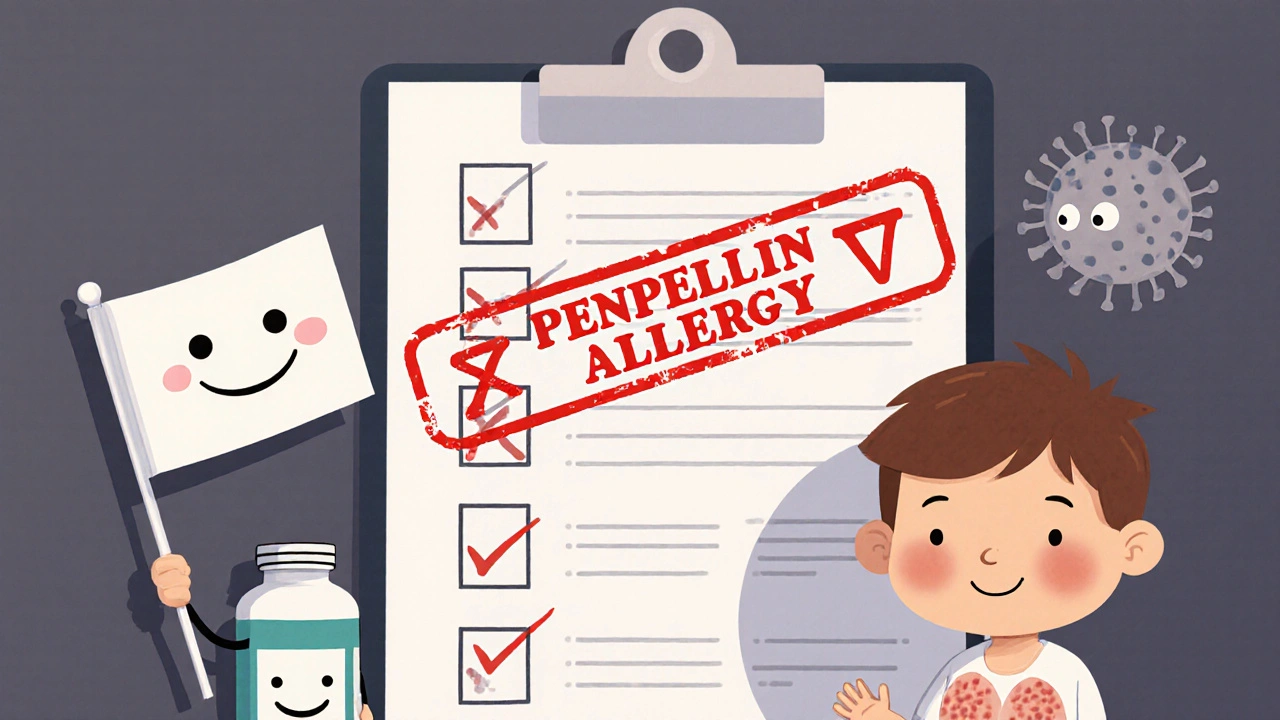
Penicillin Allergies vs Side Effects: How to Tell Them Apart and Why It Matters
Most people who think they're allergic to penicillin aren't. Learn how to tell the difference between a true allergy and a side effect-and why getting tested could save your life.
November 14 2025