
Penicillin De-labeling: What It Is and Why It Matters for Patients
When someone says they’re allergic to penicillin, a common antibiotic used to treat bacterial infections like strep throat, pneumonia, and skin infections. Also known as beta-lactam allergy, it’s one of the most frequently reported drug allergies in the U.S. But here’s the catch: more than 90% of people who think they’re allergic to penicillin aren’t. They were told years ago after a rash or stomach upset, never tested, and just assumed it stuck. That’s where penicillin de-labeling, the process of safely removing an incorrect penicillin allergy label from a patient’s medical record comes in. It’s not about ignoring risk—it’s about fixing a mistake that’s costing people better care.
Many patients avoid penicillin and its close relatives because they fear a life-threatening reaction. But true penicillin allergies are rare. Most people who report them either had a non-allergic reaction—like a virus-caused rash—or outgrew the allergy over time. The penicillin skin test, a simple, low-risk procedure using tiny amounts of penicillin to check for IgE-mediated reactions is the gold standard to confirm or rule out real allergy. If it’s negative, a supervised oral challenge often follows. If that goes well, the allergy label is removed. This isn’t theoretical. A 2021 study in JAMA found that patients with removed penicillin labels had fewer hospital stays, lower costs, and better outcomes because doctors could prescribe safer, more effective antibiotics like penicillin instead of broader-spectrum drugs like vancomycin or clindamycin.
Removing a false allergy label doesn’t just help you—it helps the whole system. Overuse of broad-spectrum antibiotics drives resistance, increases side effects like C. diff infections, and raises medical bills. Penicillin de-labeling is a quiet revolution in patient safety. It’s especially important for people with chronic conditions, frequent infections, or those preparing for surgery. If you’ve been told you’re allergic to penicillin but never had a true reaction—no swelling, breathing trouble, or anaphylaxis—it’s worth asking your doctor about testing. You might be able to use a cheaper, more targeted antibiotic next time. And if you’ve been avoiding penicillin for decades, you might be surprised to learn your body has moved on.
What you’ll find below are real, practical guides that connect directly to this issue. From how to track antibiotic side effects to understanding drug interactions and safely managing prescriptions, these posts give you the tools to ask the right questions and take control of your medication history. No fluff. No guesses. Just what you need to know to make smarter choices about penicillin, allergies, and the antibiotics you actually need.
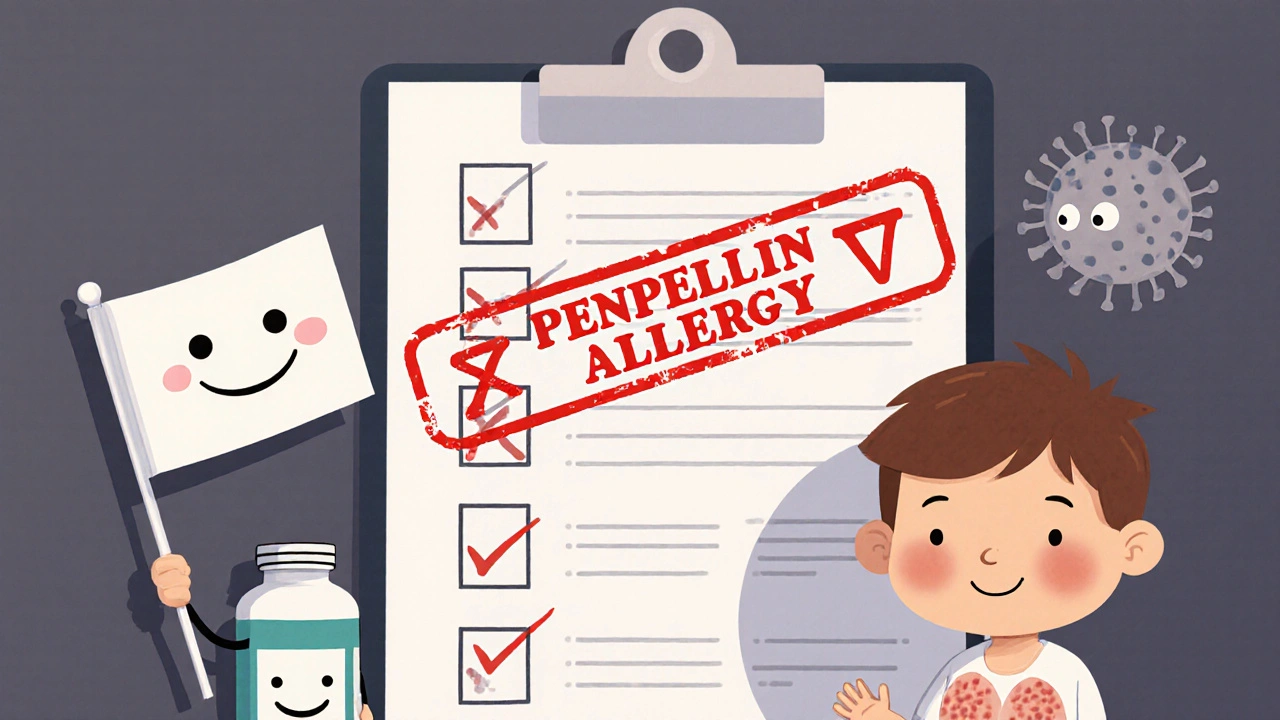
Penicillin Allergies vs Side Effects: How to Tell Them Apart and Why It Matters
Most people who think they're allergic to penicillin aren't. Learn how to tell the difference between a true allergy and a side effect-and why getting tested could save your life.
November 14 2025