
Overdose Monitoring: How to Track Medication Risks and Prevent Accidental Overdose
When you're taking more than one medication, overdose monitoring, the practice of tracking drug intake to prevent harmful excess or dangerous combinations. It's not just for people on high-risk drugs—it matters if you're on blood pressure pills, painkillers, or even supplements like magnesium or St. John’s wort. Many overdoses happen quietly, over days or weeks, not in one big crash. A person might take an extra pill because they forgot if they already took it. Or they add a new herb because they heard it helps sleep, not realizing it boosts the effect of their antidepressant. That’s where medication log, a simple daily record of what you take, when, and how you feel. Also known as pill diary, it’s one of the most effective tools for catching problems before they become emergencies.
drug interactions, when two or more substances change each other’s effects in your body. It’s not just prescription and prescription—herbs, alcohol, and even grapefruit can turn a safe dose into a dangerous one. Take St. John’s wort: it can make your birth control fail or your antidepressant useless. Or magnesium: it blocks osteoporosis meds like Fosamax if taken too close together. These aren’t rare edge cases—they show up again and again in real patient stories. That’s why medication safety, the ongoing effort to use drugs correctly and avoid harm. Also known as safe medication use, it’s not about being perfect—it’s about being aware and consistent. You don’t need a fancy app. A notebook, a phone reminder, or even a printed chart with checkboxes works if you use it every day.
Most people think overdose means taking too much at once. But the bigger risk is the slow build-up: doubling up on painkillers because your back still hurts, mixing sleep aids with alcohol, or forgetting you already took your evening dose. Overdose monitoring flips the script. It’s not about fear—it’s about control. It gives you back the power to know exactly what’s in your system. And when you see patterns—like always feeling dizzy after Tuesday’s meds—you can talk to your doctor with real data, not guesswork.
What you’ll find below are real, practical stories from people who’ve been there. How one man used a simple log to stop mixing his blood thinner with garlic supplements. How a woman caught her own rising opioid dose before it became a problem. How a family kept track of their elderly parent’s meds after a hospital discharge. These aren’t theory—they’re lived experiences that show you exactly how to protect yourself, your loved ones, and your health.
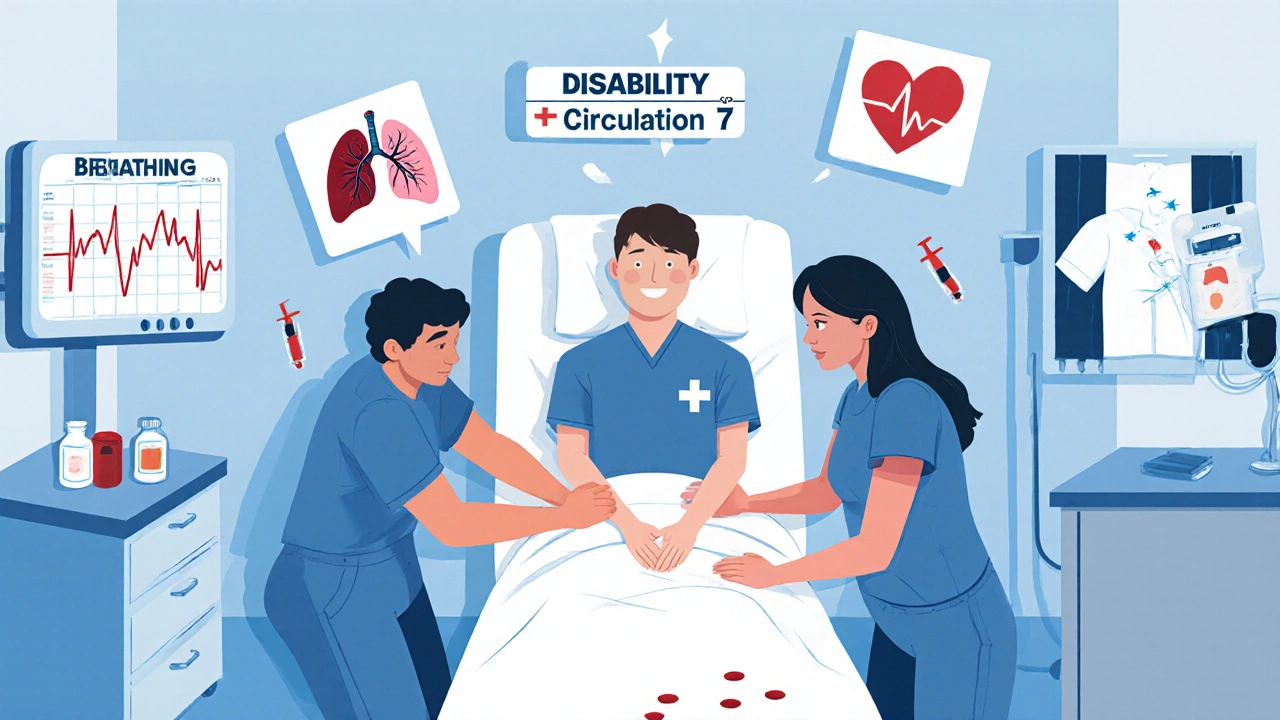
Benzodiazepine Overdose: Emergency Treatment and Monitoring
Benzodiazepine overdose causes dangerous respiratory depression, especially when mixed with opioids or alcohol. Emergency treatment focuses on airway support, oxygen, and monitoring-not flumazenil. Most patients recover with time and careful observation.
November 28 2025