
Opioid Therapy: What It Is, How It Works, and What You Need to Know
When doctors prescribe opioid therapy, a treatment using medications like oxycodone, hydrocodone, or morphine to manage moderate to severe pain. Also known as narcotic pain relief, it’s one of the most effective tools for acute pain—but it’s not without serious risks. These drugs work by binding to receptors in your brain and spinal cord, blocking pain signals and sometimes creating a sense of calm or euphoria. That’s why they work so well for cancer pain, post-surgery recovery, or severe injuries. But that same effect is also why they can lead to dependence, even when taken exactly as directed.
Opioid addiction, a chronic condition where a person continues using opioids despite harmful consequences doesn’t always start with misuse. It can begin with a legitimate prescription after an accident or surgery. Studies show that even a week of opioid use can increase the chance of long-term use. And it’s not just about pills—prescription opioids, medications legally prescribed by doctors to treat pain are often the gateway to stronger substances when tolerance builds. That’s why guidelines now push for the lowest effective dose for the shortest time possible. For many, non-opioid options like physical therapy, NSAIDs, or nerve blocks are just as effective—and far safer.
Opioid side effects, common reactions like drowsiness, constipation, nausea, and slowed breathing are part of the trade-off. Constipation is almost universal. Drowsiness can make driving dangerous. And in high doses or when mixed with alcohol or benzodiazepines, breathing can slow to a stop. That’s why overdose monitoring and naloxone access are now part of standard care for anyone on long-term opioid therapy. It’s not about fear—it’s about awareness.
What you won’t find in most doctor’s offices is a clear plan for what comes after. Too many patients are left on opioids for years without a path out. That’s changing. More providers are now combining opioid therapy with behavioral support, tapering schedules, or alternative pain treatments. The goal isn’t always to stop opioids completely—it’s to use them safely, with eyes wide open.
Below, you’ll find real-world insights from people who’ve lived through opioid therapy—what worked, what didn’t, and how they managed the risks. You’ll see how doctors weigh benefits against dangers, how patients track their use, and what alternatives actually help. This isn’t theory. It’s what’s happening in clinics, pharmacies, and homes right now.
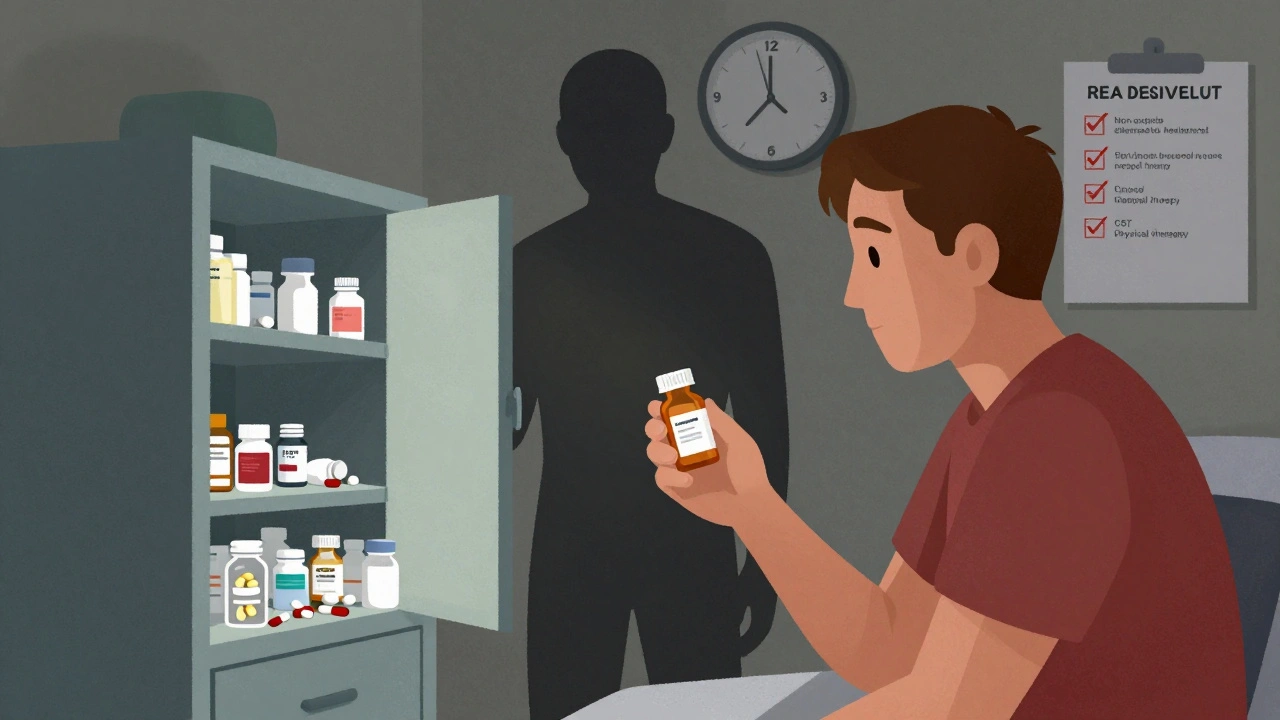
Opioid Therapy: When It’s Appropriate and the Real Risks of Dependence
Opioid therapy can help with severe pain, but it carries serious risks of dependence and overdose. Learn when it's appropriate, how to spot danger signs, and what safer alternatives exist.
December 9 2025