
Metformin for PCOS: How It Works, What to Expect, and Key Facts
When you have polycystic ovary syndrome, a hormonal disorder affecting up to 1 in 10 women of reproductive age, often marked by irregular periods, excess androgen, and insulin resistance. It's also known as PCOS, and for many, metformin becomes a turning point in managing symptoms. Unlike birth control pills that mask symptoms, metformin tackles the root issue: insulin resistance. This is when your body doesn’t respond well to insulin, causing blood sugar to spike and triggering excess male hormone production—leading to weight gain, acne, and missed periods.
Metformin, originally developed for type 2 diabetes, a condition where the body can’t use insulin properly, was found to help women with PCOS even if they aren’t diabetic. It lowers insulin levels, which helps the ovaries function more normally. Many women start seeing regular cycles within 3 to 6 months. It also aids in modest weight loss—often 5 to 10% of body weight—which can be enough to restore ovulation. But it’s not a magic pill. It works best when paired with lifestyle changes: eating fewer refined carbs, moving daily, and getting enough sleep.
Side effects? Mostly stomach-related—nausea, bloating, diarrhea. Most people get used to them after a few weeks. Taking it with food and starting low (500mg once daily) helps. A rare but serious risk is lactic acidosis, especially if you have kidney problems, so regular blood tests are important. If you’re trying to get pregnant, metformin can improve ovulation rates and lower miscarriage risk. Some doctors combine it with clomiphene for better results.
It’s not the only option. Lifestyle changes alone can reverse PCOS symptoms for some. Others need hormonal birth control or newer drugs like inositol or GLP-1 agonists. But metformin remains one of the most studied, safest, and cheapest tools available. It doesn’t cure PCOS, but it gives you back control—over your cycle, your weight, and your confidence.
Below, you’ll find real-world guides on tracking your response to metformin, avoiding dangerous interactions with other meds, and understanding how insulin resistance connects to other conditions like thyroid issues and fatty liver. These aren’t theory pieces—they’re practical tips from people who’ve been there.
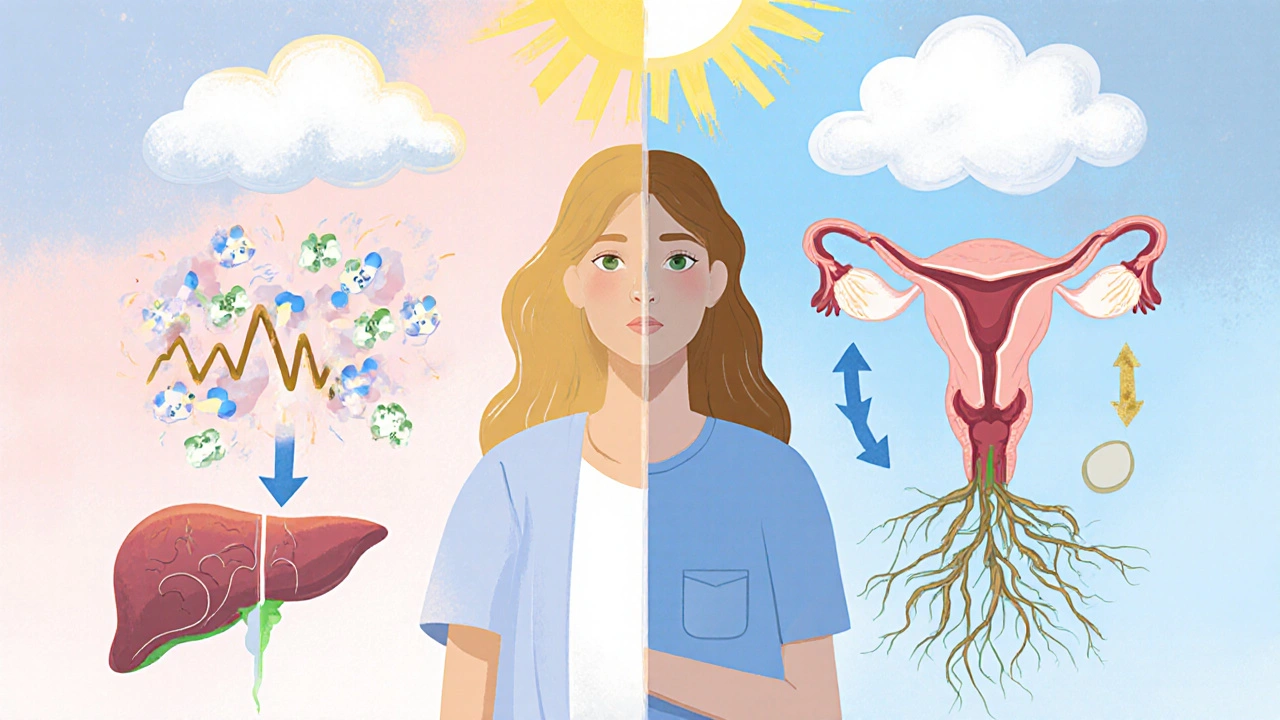
Metformin for PCOS: How It Boosts Ovulation and Insulin Sensitivity
Metformin helps women with PCOS ovulate by improving insulin sensitivity, lowering testosterone, and restoring menstrual cycles. It's cheaper and safer than many fertility drugs, with added benefits for long-term metabolic health.
November 21 2025