
Lifestyle Factors That Impact Medication Effectiveness and Health Outcomes
When you take a pill, it’s not just the drug doing the work—it’s your lifestyle factors, daily habits and behaviors that influence how your body responds to treatment. Also known as daily habits, these include what you eat, how much you move, how well you sleep, and even how you manage stress. These aren’t just nice-to-haves—they directly affect whether your medication works as it should. Take metformin for PCOS: it helps insulin sensitivity, but only if you’re not eating sugar-heavy meals every day. Or consider magnesium supplements blocking osteoporosis drugs—timing matters, but so does whether you’re getting enough vitamin D or moving your body to keep bones strong.
Your diet, the food and drinks you consume regularly. Also known as eating patterns, it can make or break drug absorption. Liquid antibiotics like amoxicillin lose potency if stored wrong, but they also work less well if you take them with a high-fat meal. Probiotics need the right gut environment to thrive—so if you’re drinking alcohol daily or eating processed foods, those good bacteria won’t stick around. Even something as simple as caffeine can trigger dizziness when mixed with certain meds, or mess with your sleep, which then messes with how your liver processes drugs overnight.
Exercise, physical activity that supports heart health, mobility, and metabolism. Also known as movement, it isn’t just about losing weight. Walking 30 minutes a day improves circulation, which helps your body distribute meds more evenly. For people on blood pressure meds like terazosin or statins like simvastatin, movement helps the drugs do their job better. And for those with chronic conditions like ankylosing spondylitis or PCOS, regular activity isn’t optional—it’s part of the treatment plan. Skip it, and even the best prescription might feel like it’s not working.
Then there’s sleep, the restorative process that regulates hormones, immune function, and drug metabolism. Also known as rest cycles, it isn’t just about feeling rested. Poor sleep throws off your circadian rhythm, which controls when your liver breaks down meds. Take your thyroid pill at night instead of morning? It might not absorb right. Miss sleep for days? Your body’s inflammation spikes, making drugs like corticosteroids less effective—or even causing side effects like skin thinning from topical steroids to show up faster. And if you’re using a medication log to avoid overdose, you won’t remember what you took if you’re exhausted.
These aren’t separate issues—they’re connected. A bad night’s sleep leads to cravings, which leads to poor diet, which leads to weight gain, which makes insulin resistance worse, which makes metformin less effective. It’s a loop. That’s why fixing one thing often helps fix others. Use one pharmacy? Great. But if you’re not sleeping, not moving, and eating the same processed snacks every day, you’re fighting your own meds.
Below, you’ll find real, practical guides on how everyday choices—from storing your liquid antibiotics correctly to managing pet dander in your bedroom—affect your health and medication outcomes. No fluff. Just what works, what doesn’t, and why it matters right now.
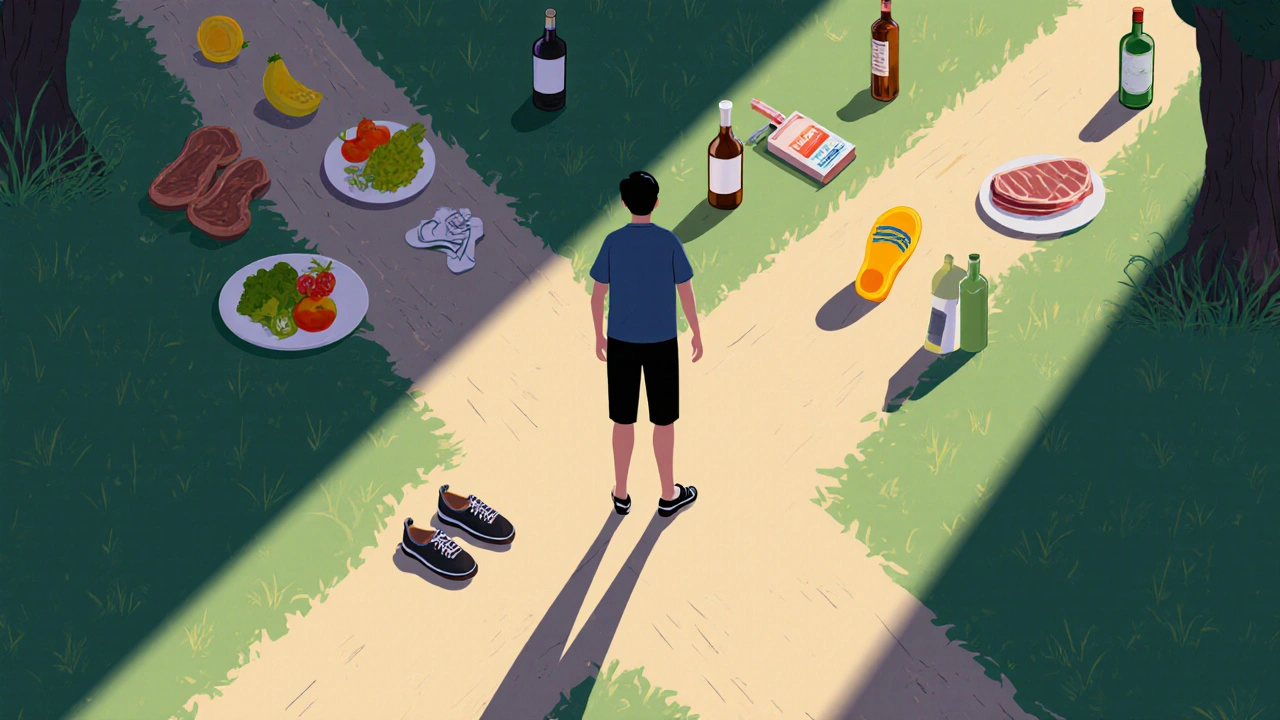
Cancer Prevention: How Lifestyle Changes and Chemoprevention Reduce Your Risk
Cancer prevention is possible through everyday lifestyle choices like quitting smoking, staying active, eating vegetables, and limiting alcohol. Chemoprevention helps high-risk individuals but isn't for everyone. Small, consistent changes make the biggest difference.
November 25 2025