
Hodgkin lymphoma stage I: What it means, how it's treated, and what to expect
When you hear Hodgkin lymphoma stage I, the earliest and most localized form of Hodgkin lymphoma, a cancer that starts in white blood cells called lymphocytes. Also known as early-stage Hodgkin disease, it means the cancer is found in just one lymph node group or one organ outside the lymph system — and it hasn’t spread beyond that area. This isn’t just a label. It’s your best chance for a full recovery, because treatment works better the earlier it starts.
Doctors use staging to figure out how far the cancer has gone, and stage I is the simplest. It doesn’t mean you’re out of the woods — but it does mean your treatment plan is likely to be shorter, less intense, and more focused. Most people with stage I Hodgkin lymphoma get either a few rounds of chemotherapy, radiation to the affected area, or sometimes both. The goal isn’t just to kill cancer cells — it’s to do it with the least damage to your body. Studies show over 90% of people with stage I Hodgkin lymphoma are cured with modern treatment. That’s not a guess. That’s what hospitals track every year.
What you need to know: Hodgkin lymphoma stage I doesn’t always cause obvious symptoms. Some people notice a painless lump in the neck, armpit, or groin. Others feel tired, lose weight without trying, or get night sweats. But many don’t feel sick at all — the cancer shows up on a scan done for something else. That’s why catching it early matters. Once it spreads to two or more lymph node areas, it becomes stage II or higher, and treatment gets more complex.
Related to this are the tools and decisions that come after diagnosis. chemotherapy for lymphoma, a combination of drugs that target fast-growing cancer cells, often used in short cycles for stage I is common. radiation therapy, focused high-energy beams that destroy cancer cells in a specific area is another key player — especially when the cancer is in one spot. And lymphoma staging, the process of using scans, blood tests, and biopsies to map where the cancer is determines whether you’re stage I or something else. These aren’t just medical terms. They’re the roadmap to your treatment.
You’ll also hear about side effects — fatigue, nausea, temporary hair loss. But unlike later stages, stage I rarely needs long-term, aggressive therapy. Many people go back to work, school, or daily life within weeks. The big question isn’t whether you can beat it — it’s how to beat it without losing your quality of life. That’s why tracking how you feel during and after treatment matters as much as the scans.
Below you’ll find real, practical guides from people who’ve walked this path. You’ll see how to manage side effects, what to ask your oncologist, how to track your progress, and how to spot early signs of recurrence. There’s no fluff — just clear advice on what works, what doesn’t, and what to expect next.
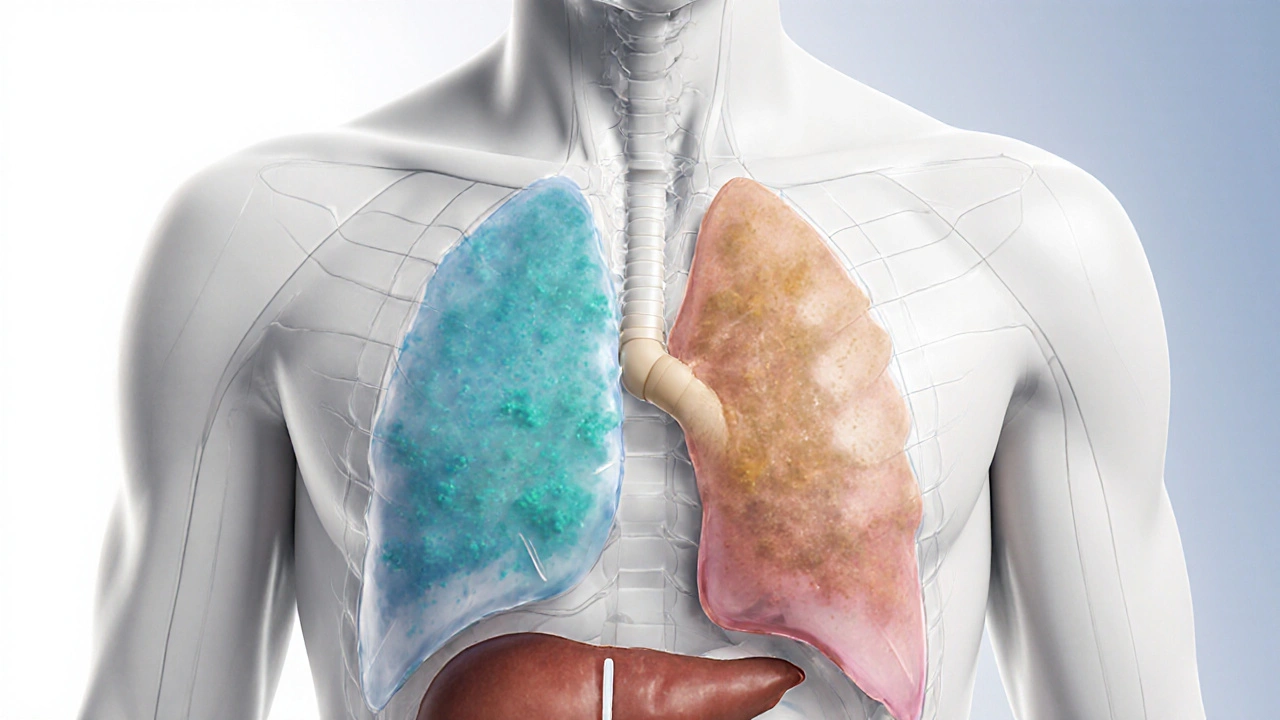
Hodgkin's Disease Stages Explained: Symptoms, Treatment & Prognosis
Learn the four Hodgkin's disease stages, key symptoms, treatment options, and survival rates. A clear guide for patients and families navigating a Hodgkin lymphoma diagnosis.
October 3 2025