
Generic Medication Effectiveness: Does It Really Work Like Brand Name?
When you hear generic medication effectiveness, the ability of a non-brand drug to work just like its branded counterpart. Also known as generic drugs, these are the same active ingredients, dosages, and delivery methods as the originals—just without the marketing cost. The FDA requires them to meet the same strict standards for safety, strength, and quality. So why do so many people still doubt them?
The truth is, generic drugs, pharmaceutical products that contain the same active ingredient as brand-name drugs but are sold under their chemical name work just as well in over 90% of cases. A study by the FDA reviewed more than 1,000 generic drugs and found no meaningful difference in how they performed in the body compared to the brand versions. That means your brand name drugs, medications originally developed and marketed by a pharmaceutical company under a patent and their generic copies are absorbed the same way, hit the same blood levels, and produce the same results. The only real differences? The color, shape, or inactive fillers—and the price, which can be 80% lower.
But here’s what most people don’t realize: generic medication effectiveness isn’t just about chemistry. It’s about consistency. If you switch between different generic versions from different manufacturers, your body might react slightly differently to the fillers or coatings. That’s not because the active ingredient changed—it’s because your system is sensitive to how the pill breaks down. For most people, this doesn’t matter. But if you’re on a drug with a narrow therapeutic window—like warfarin, thyroid meds, or seizure drugs—you should stick with the same generic maker. Talk to your pharmacist. They can tell you if your refill came from a different batch.
And let’s not forget the bigger picture: drug equivalence, the legal and clinical standard that proves a generic drug performs the same as its brand-name counterpart is why millions of Americans can afford their prescriptions. Without it, people would skip doses, skip refills, or skip care entirely. Generic drugs aren’t a compromise—they’re the reason millions stay on treatment.
What you’ll find below are real-world guides that dig into the details: how to check if your generic is working, when to question a switch, how storage affects potency, and how drug interactions can sneak up on you—even with generics. We’ve pulled together posts from people who’ve been there: from those managing diabetes with metformin generics to folks tracking their meds to avoid overdose, and others who learned the hard way that timing matters when you’re on magnesium and osteoporosis pills. This isn’t theory. It’s what actually happens when you take these drugs every day.
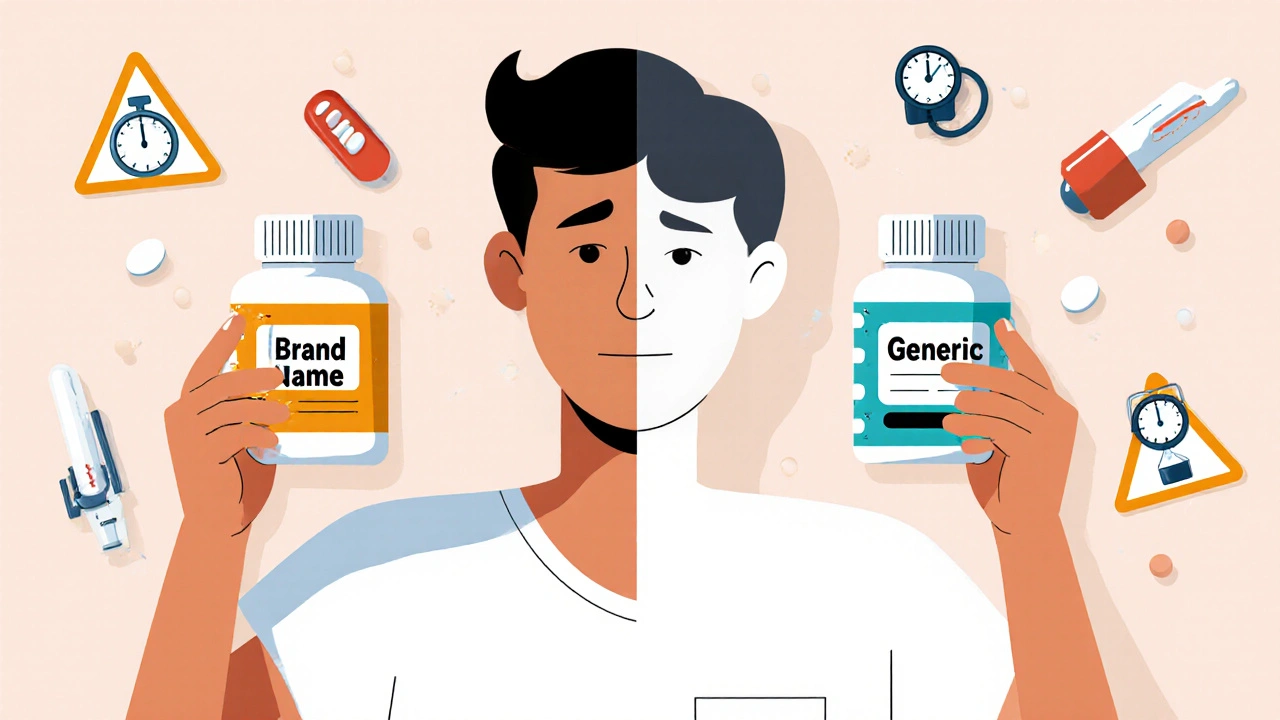
How to Track Medication Effectiveness After a Generic Switch
After switching to a generic medication, track lab results, symptoms, and refill patterns to catch problems early. Not all generics work the same - especially for critical drugs like warfarin or thyroid meds.
November 10 2025