
Emergency Treatment: What You Need to Know When Seconds Count
When something goes wrong fast—like a malfunctioning body response, a sudden, life-threatening reaction to medication or anesthesia. Also known as acute medical crisis, it requires immediate action before professional help arrives. Emergency treatment isn’t about waiting for a doctor. It’s about recognizing the signs, acting quickly, and knowing what can stop a disaster before it’s too late.
Some emergencies come from hidden triggers. Malignant hyperthermia, a rare but deadly reaction to common anesthesia drugs. Also known as MH, it causes muscles to lock up and body temperature to spike uncontrollably. If not treated with dantrolene within minutes, it can be fatal. That’s why hospitals screen for family history and keep the drug ready. But even outside the OR, similar reactions can happen—like severe allergic responses to antibiotics or supplements. Drug interactions, when two or more substances combine to create a dangerous effect. Also known as medication conflicts, they’re behind many ER visits. St. John’s wort, garlic, or even magnesium can interfere with critical drugs, turning a routine pill into a crisis.
Not all emergencies are sudden. Some build quietly. Lower GI bleeding, often caused by diverticula or abnormal blood vessels in the colon. Also known as colon hemorrhage, it shows up as bright red blood in stool. It’s common in older adults and can bleed out slowly, leading to weakness, dizziness, or shock. Ignoring it isn’t an option. Then there’s norovirus outbreak, a highly contagious stomach bug that spreads through contaminated surfaces and poor hand hygiene. Also known as stomach flu, it causes violent vomiting and dehydration in hours. In nursing homes or schools, one case can turn into dozens. The fix? Soap and water—nothing fancy, just consistent, proper handwashing.
Emergency treatment isn’t just about medicine. It’s about preparation. Keeping a medication log can stop an overdose before it starts. Knowing your allergies—true or not—can prevent a deadly reaction. Understanding what triggers your body’s worst responses means you’re not just reacting—you’re preventing.
Below, you’ll find real-world guides on how to spot, respond to, and avoid the most dangerous medical emergencies. Whether it’s managing a rare anesthesia reaction, controlling a gut bleed, or stopping a virus from spreading, these posts give you the facts you need—no fluff, no jargon, just what works when time is running out.
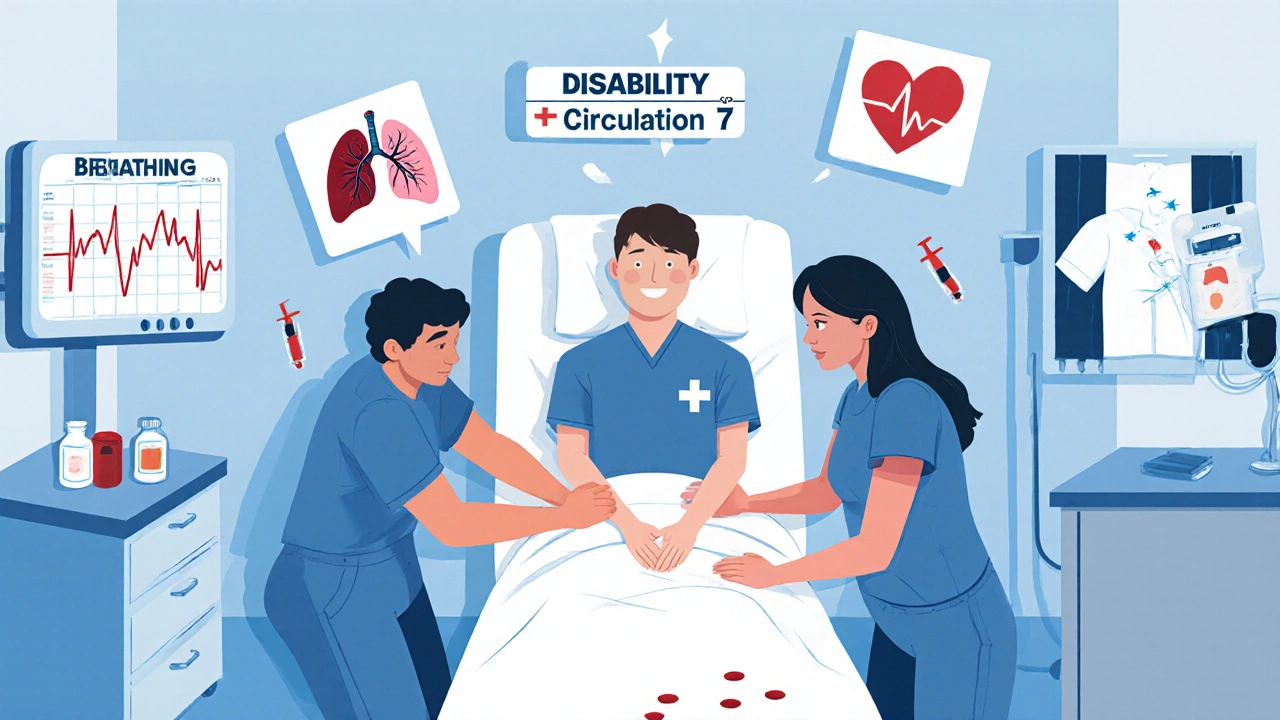
Benzodiazepine Overdose: Emergency Treatment and Monitoring
Benzodiazepine overdose causes dangerous respiratory depression, especially when mixed with opioids or alcohol. Emergency treatment focuses on airway support, oxygen, and monitoring-not flumazenil. Most patients recover with time and careful observation.
November 28 2025