
The Hard Truth About Sleeping Pills
There was a time when a prescription for sleeping pills felt like a gift. Now, doctors view it more like a warning label. You might be asking yourself if benzodiazepines or the newer Z-drugs are safer. The answer isn't simple. Recent data from 2023 suggests that taking either class of medication comes with serious trade-offs you need to understand before swallowing a pill.
You likely know the names Ambien or Xanax, but you might not realize how deeply they affect your brain chemistry long after you wake up. Both classes work on the same system, but their specific targets differ. This guide breaks down exactly what those differences are, based on current safety data and clinical guidelines from organizations like the Veterans Affairs and the American Academy of Sleep Medicine.
What Are Sedative-Hypnotics?
At their core, Sedative-Hypnotics are a group of drugs that depress the central nervous system, primarily used to treat insomnia and anxiety. They aren't all created equal. Think of them as tools that slow down your brain's electrical chatter so you can drift off. But slowing down the brain also slows down memory, reaction time, and balance.
These drugs function by enhancing GABA neurotransmission. If GABA is the brake pedal of your brain, sedative-hypnotics press that pedal down harder. The problem arises because "brakes" don't always stay locked just where you want them. A 2024 report from the VA Academic Detailing Service explicitly stated, "It is no longer recommended to take a sedative-hypnotic drug to treat insomnia or anxiety." This marks a major shift from the standard care seen over the last thirty years.
Benzodiazepines: The Old Guard
Benzodiazepines are a class of psychoactive drugs developed in the mid-20th century known for their sedative, anxiolytic, anticonvulsant, and muscle relaxant properties. Also referred to informally as "benzos," this category includes familiar medications like temazepam, triazolam, and diazepam. They hit the market between the 1950s and 1960s and were revolutionary back then because they replaced barbiturates, which were notoriously deadly.
Here is the mechanical breakdown: Benzodiazepines bind to multiple sites on the GABA-A receptor. Imagine a lock on a door; benzos jam multiple tumblers inside that lock. While effective, this broad binding profile is why side effects happen. They don't just make you sleepy; they can dull concentration and cause drowsiness even when you aren't trying to sleep.
Durations vary wildly within this group. Temazepam has a half-life of 8 to 20 hours. This means the drug stays in your system all night and well into the next day. On the other end, Flurazepam can last 40 to 250 hours. That is days. Kripke and colleagues (NCBI, 2013) found that persistent hypnotics like flurazepam cause considerable impairment of daytime performance that gets worse the longer you take them daily.
- Common Uses: Anxiety disorders (like generalized anxiety disorder) and sleep onset.
- Withdrawal Risk: High. Stopping cold turkey can lead to panic attacks, seizures, and life-threatening symptoms.
- Half-Life Range: Short (triazolam) to very long (flurazepam).
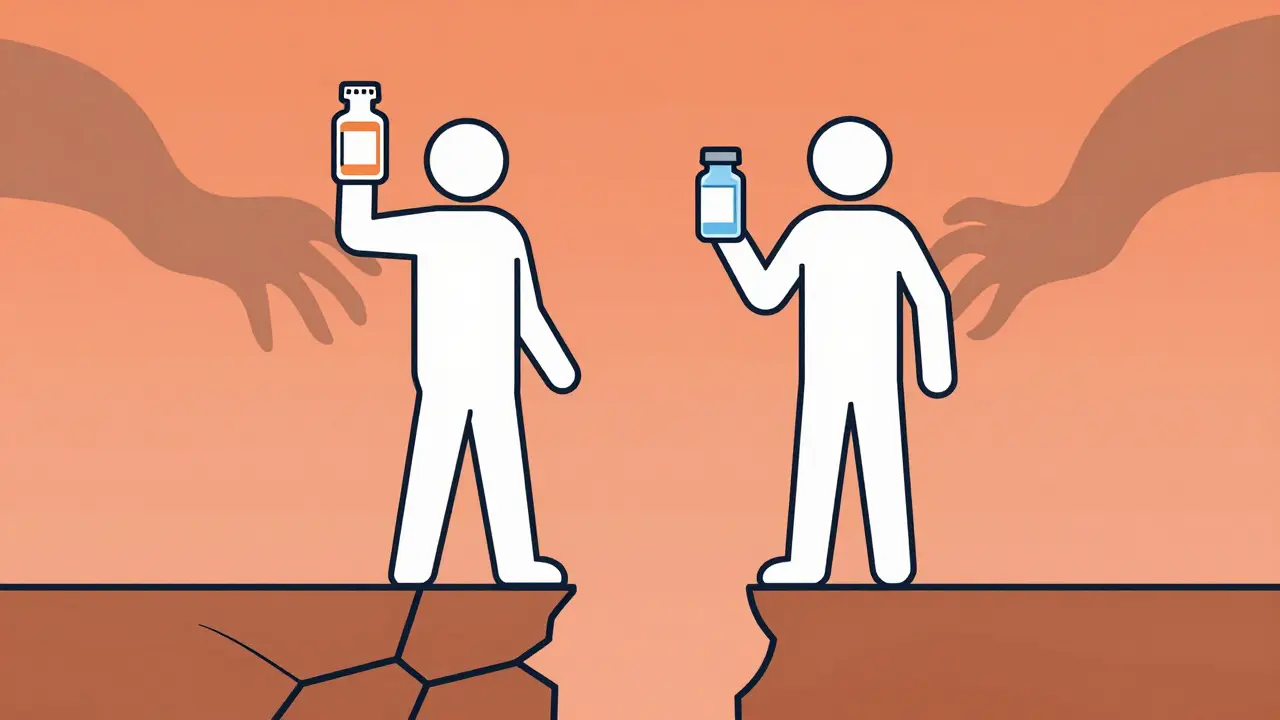
Non-Benzodiazepines (Z-Drugs): The Newer Alternative
Non-Benzodiazepines are a newer class of hypnotic agents often called 'Z-drugs' due to their names beginning with Z. These include zolpidem (Ambien), eszopiclone (Lunesta), and zaleplon (Sonata).
Developed in the 1980s and 1990s, these were marketed as safer alternatives. The marketing claim was that they target the omega-1 receptor subtype more selectively than benzodiazepines. The goal was to induce sleep without the heavy cognitive drag associated with older meds. In practice, however, the safety gap has proven much smaller than advertised.
Zolpidem typically has a half-life of 1.6 to 4.5 hours. Eszopiclone lasts about 5 to 7 hours. While these shorter durations suggest less morning grogginess, the reality of next-day impairment remains high. The FDA had to mandate a 50% dosage reduction for zolpidem in women in 2013 because residual effects were impairing driving skills.
User experiences shed light on the limitations. Reports from Reddit communities (r/insomnia, June 2023) show 68% of users discontinued non-benzodiazepines within three months because efficacy dropped. One common complaint was, "Waking up with no memory of the last two hours." This phenomenon, often called anterograde amnesia, is a documented side effect where the brain fails to store new memories during the drug's active phase.
| Feature | Benzodiazepines | Non-Benzodiazepines (Z-Drugs) |
|---|---|---|
| Primary Target | GABA-A Multiple Sites | Omega-1 Receptor Subtype |
| Typical Uses | Insomnia & Anxiety | Insomnia Only |
| Withdrawal Severity | Severe / Potentially Life-Threatening | Milder but still present |
| Fall Risk Increase | 2.3-Fold Higher | 1.8-Fold Higher |
| Memory Risk | High | High (similar to benzos) |
The Hidden Risks Everyone Misses
Doctors usually warn about addiction, but the day-to-day risks are often ignored until an accident happens. According to a JAMA Internal Medicine study from 2012, elderly patients taking benzodiazepines face a 2.3-fold higher risk of hip fractures compared to those who aren't. Non-benzodiazepines aren't much better, showing a 1.8-fold increased risk.
You might think, "I'm young, this won't happen." But falls aren't the only concern. The VA Academic Detailing Service (2023) quantified specific neurological risks:
- 5-fold higher risk of memory and concentration problems.
- 4-fold increased risk of daytime fatigue.
- 2-fold increased risk of falls and fractures (hip, wrist).
Another overlooked danger is complex sleep behaviors. This sounds clinical, but it includes things like sleep-driving. Zolpidem was implicated in 66% of sleep-related driving incidents reported to the FDA between 2005 and 2010. This isn't just waking up confused in the kitchen; people have driven cars, eaten food, and made phone calls while technically asleep.
Why Doctors Are Prescribing Less
Prescription trends tell a story of shifting medical opinion. The CDC reported that benzodiazepine prescriptions peaked in 2013 (5.6% of adults) and dropped to 3.8% by 2022. Conversely, non-benzodiazepine use rose slightly, hitting 2.5% of the adult population. Despite this, the overall push is toward non-pharmacological interventions.
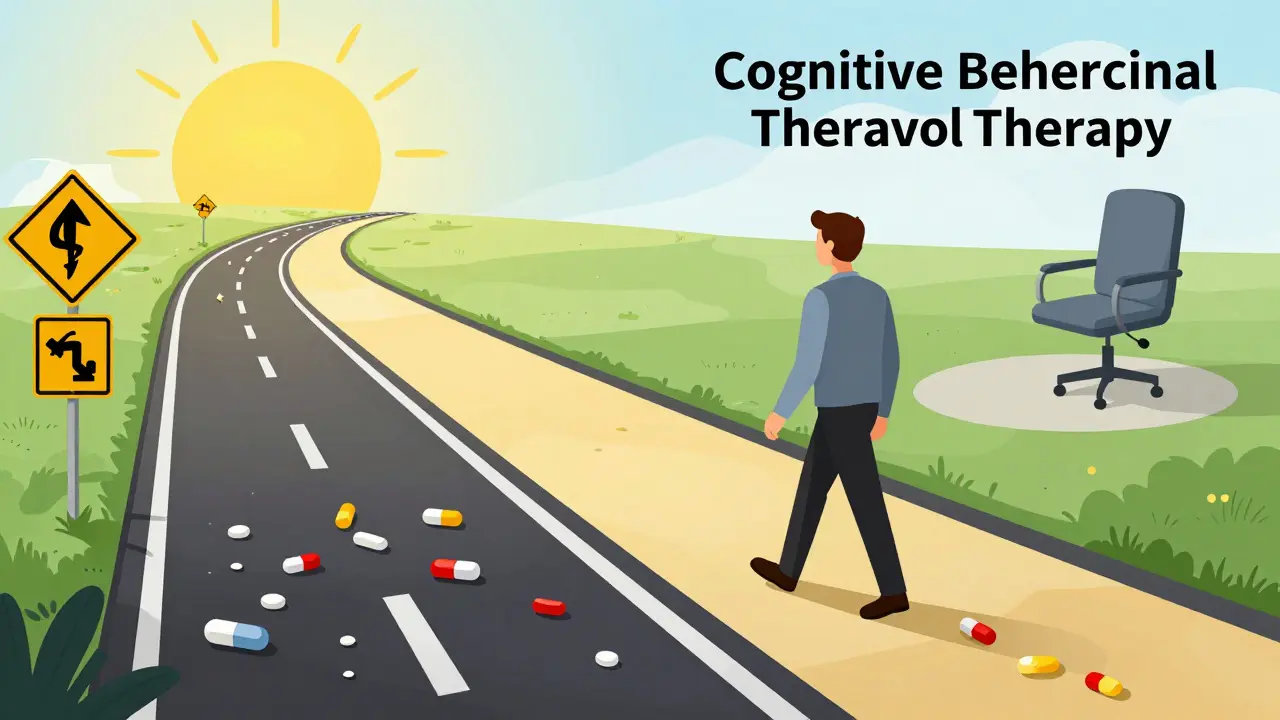
The American Academy of Sleep Medicine restricts both classes to short-term use, typically 2-4 weeks. Their stance is clear: benefits rarely outweigh risks for chronic use. Instead, they recommend Cognitive Behavioral Therapy for Insomnia (CBT-I). Research shows CBT-I provides long-lasting relief without the crash and burn of withdrawal. Dr. Robert L. Glick of the Cleveland Clinic notes that sedatives have high addiction potential because they can create a sense of euphoria, leading to rapid tolerance development.
If you must take these medications, the protocol is strict. You cannot stop abruptly. Benzodiazepines require a slow taper-typically reducing the dose by 10% every 1 to 2 weeks. Non-benzodiazepines may allow for a faster taper (2-4 weeks), but the rules depend entirely on how long you have been taking them. Always consult a specialist before adjusting your regimen.
Safety Protocols for Current Users
If you are currently prescribed these drugs, safety starts with understanding interactions. Mixing sedative-hypnotics with opioids, antidepressants, or antihistamines can cause depressed breathing and death. Even the smallest amount of alcohol interacts dangerously, potentiating the sedation level beyond what the body can handle.
Screening for sleep apnea is mandatory before starting therapy. Hypnotics exacerbate sleep apnea in at least some percentage of patients. By relaxing throat muscles further, these drugs increase the risk of stopping breathing during sleep, which leads to chronic hypertension and cardiac strain. The National Institute on Aging notes that 30% of adults over 65 experience insomnia, making this screening vital for the aging demographic.
Conclusion on Next Steps
Deciding between these two classes is no longer the primary question. The real decision is whether to rely on them at all. While Z-drugs offer a marginally cleaner withdrawal profile than benzos, their safety advantages regarding memory and driving are minimal. The safest path forward for most patients involves transitioning to CBT-I and reserving medication solely for acute, temporary crises.
Are benzodiazepines safe for long-term use?
Current guidelines from the American Academy of Sleep Medicine advise against long-term use. Evidence shows accumulating risks like memory issues and falls typically outweigh the benefits after 2-4 weeks of treatment.
Which causes more withdrawal symptoms?
Benzodiazepines generally cause more severe withdrawal symptoms, including life-threatening events. Non-benzodiazepines produce milder withdrawal, but tolerance develops rapidly in both groups.
Do Z-drugs interact with other medications?
Yes. Combining Z-drugs (or benzodiazepines) with alcohol, opioids, or certain antidepressants creates a dangerous risk of respiratory depression and death.
How do you stop taking sleeping pills safely?
You must taper slowly. For benzodiazepines, reduce the dose by 10% every 1-2 weeks. Non-benzodiazepines may require a 2-4 week taper depending on usage history. Never stop cold turkey.
Is CBT-I better than medication for insomnia?
Yes. Cognitive Behavioral Therapy for Insomnia is considered first-line treatment. Studies show it offers lasting relief without the physical side effects or dependency issues associated with pharmacological options.
Rocky Pabillore
April 2, 2026 AT 10:06The general public simply cannot grasp the depth of neuropharmacology required to navigate these choices safely without professional guidance. Most individuals approach their insomnia with a naive assumption that a pill cures the underlying condition rather than masking symptoms. Benzodiazepines were engineered in an era where metabolic screening was practically non-existent compared to today. Modern metabolism studies show cumulative toxicity that older literature completely ignored until recently. The cognitive decline associated with chronic use is often dismissed by patients who prioritize immediate sleep over long-term brain health. We see this pattern repeat in clinics daily where tolerance builds faster than efficacy does. Real understanding comes from accepting that homeostasis is fragile in the face of exogenous sedatives. One must respect the power of GABAergic agonists before ever touching a prescription pad.
James DeZego
April 3, 2026 AT 20:02That is a fair point about tolerance building up quickly :) The data on GABA receptor downregulation supports that observation exactly.
Callie Bartley
April 5, 2026 AT 16:03This whole situation is a disaster for American healthcare standards!! Doctors should be telling people the absolute truth instead of hiding behind insurance guidelines!! It is shameful how many seniors fall due to these drugs and nobody seems to care enough to stop the practice!!!
Cara Duncan
April 7, 2026 AT 14:22I agree totally 😢 Falls are such a scary risk for anyone on these meds 🛑 It really worries me to see how common this side effect is 😕 We need to protect our families better ❤️
Christopher Beeson
April 8, 2026 AT 06:08We are walking zombies in this society. The pharmaceutical industry profits from our fatigue. They sell us night so we can work during the day. Chemical dependency is a silent plague. You see it in your coworkers eyes. The grogginess defines the modern morning. GABA suppression alters more than sleep patterns. It reshapes neural pathways slowly. Memory loss is merely the beginning of the decline. We trade cognition for temporary rest. The cost is measured in years of life quality. True health requires natural rhythm restoration. Medication is a crutch for broken habits. Habits stem from societal pressure structures. We must reject the chemical siren song entirely.
Jenny Gardner
April 8, 2026 AT 20:06This perspective is deeply insightful!!!! It really highlights the systemic issues we ignore everyday!!!! The danger is real!!!!!! You have to take charge of your own mind!!!!!
Owen Barnes
April 9, 2026 AT 13:59CBT-I is teh best method for long term sleep improvement u know. It fixes the root cause rater than just suppressing symtoms like pills do. I learned this from a therapist my sister went too. She stopped sleeping meds after three months of therapy sessions. Recieve the help u need without chemicals becuse it works better for most people. Tapering is hard but it is necessary step for safety.
Julian Soro
April 11, 2026 AT 01:30You are absolutely right that behavioral therapy offers sustainable results without the crash. The tapering protocol you mentioned is critical for avoiding withdrawal seizures though.
Arun Kumar
April 13, 2026 AT 00:06It is possible to reclaim your sleep naturally with the right tools and mindset. Many cultures emphasize restorative practices that do not involve heavy sedation. Your body wants to heal itself if given the chance and proper environment support. Patience is the hardest part of this journey toward wellness. Trust in your ability to find balance again.
Cullen Zelenka
April 14, 2026 AT 05:30Just hope people listen to this advice.