
Medicine Refrigeration: What You Need to Know to Keep Your Drugs Safe
When it comes to medicine refrigeration, the practice of storing certain medications at controlled cold temperatures to maintain their potency and safety. Also known as refrigerated prescriptions, it’s not just a suggestion—it’s a requirement for many drugs that break down quickly if left out. If you’ve ever opened a vial of insulin or a bottle of antibiotics and wondered why it came with ice packs, this is why. Cold isn’t optional here. It’s the difference between a drug working as intended and becoming useless—or worse, harmful.
Many temperature-sensitive medications, drugs that lose effectiveness or become unstable when exposed to heat, light, or humidity. Also known as cold-chain medications, they include insulin, certain antibiotics like amoxicillin suspension, injectables like HGH, and even some migraine treatments like sumatriptan. These aren’t rare exceptions—they’re common. A 2023 study found that nearly 1 in 4 prescription drugs prescribed to adults require refrigeration. Yet most people don’t know the rules. Storing insulin at 78°F for a week? It loses up to 30% of its strength. That’s not a small drop—it’s a safety risk. And it’s not just about the fridge. The freezer? That’s worse. Freezing can destroy the structure of liquid medications. The door shelf? Too warm and too variable. The back of the fridge? That’s where the temperature stays steady, between 36°F and 46°F.
Then there’s the medication safety, the set of practices and precautions taken to ensure drugs are stored, handled, and used correctly to avoid harm. Also known as drug storage safety, it’s the reason pharmacists give you those little printed cards with storage instructions. If you’re traveling, carrying insulin in a cooler with ice packs isn’t just smart—it’s essential. If you’re on vacation and your hotel fridge breaks? You need a backup plan. If you forget to refrigerate your antibiotic for two days? Don’t guess—call your pharmacist. They’ve seen it before. They’ll tell you if it’s still good or if you need a new bottle. This isn’t about being overly cautious. It’s about avoiding wasted money, ineffective treatment, and even hospital visits. Think about it: you spend $100 on a 30-day supply of a refrigerated drug. You leave it out for 48 hours. Now you’ve wasted $100 and maybe put your health at risk. That’s not a small mistake.
You’ll find posts here that show you how to track your meds with a log, how to spot when a generic switch affects your results, and how to avoid dangerous interactions. But none of that matters if your pills are already degraded. The foundation of safe medication use starts with storage. Get this right, and you’re already ahead of most people. Get it wrong, and even the best advice won’t help.
Below, you’ll find real-world guides from people who’ve been there—how to travel with refrigerated drugs, what to do when the power goes out, how to tell if your insulin has gone bad, and which common meds people mistakenly think they can leave on the counter. No fluff. Just what works.
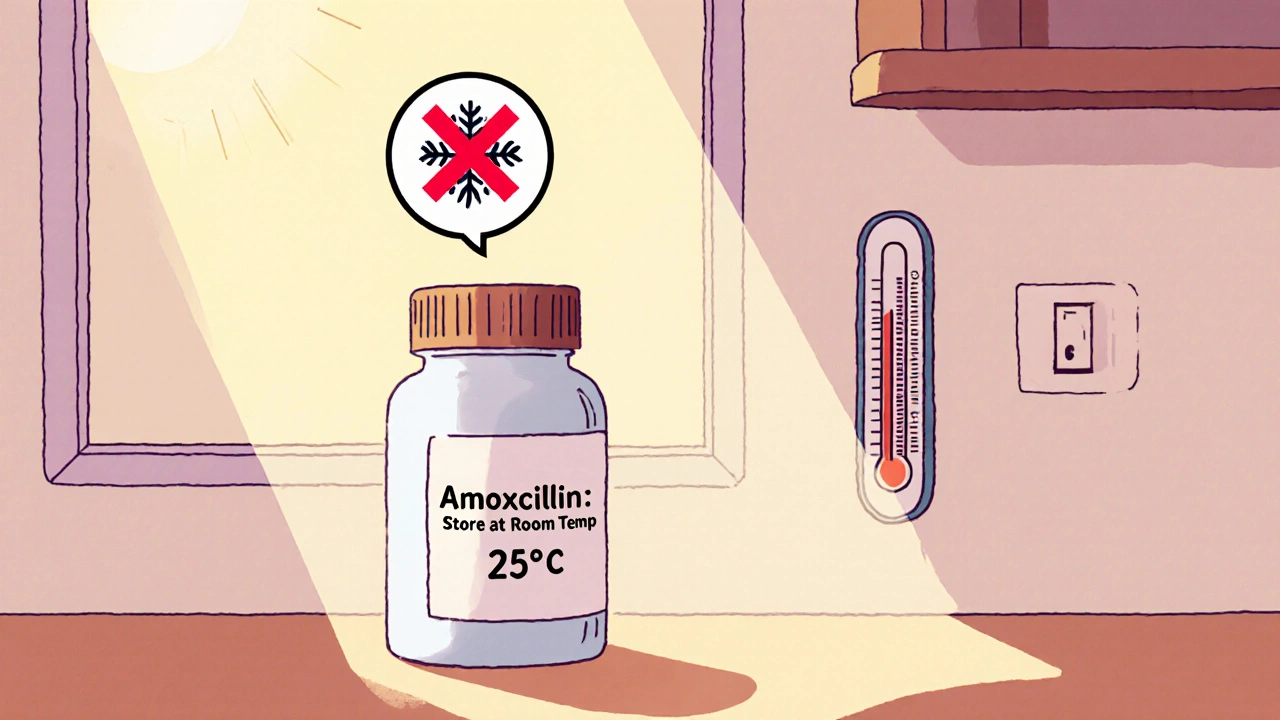
How to Store Liquid Antibiotics and Reconstituted Suspensions Correctly
Learn how to properly store liquid antibiotics and reconstituted suspensions to ensure they remain effective. Discover temperature rules, shelf life, storage mistakes, and safe disposal methods.
November 20 2025