
DTx: Digital Therapeutics Explained — Apps, Devices, and Evidence-Based Treatments
When you think of medicine, you probably picture pills, injections, or surgery. But now, there’s a new kind of treatment that comes in the form of a DTx, a software-based medical intervention approved by health regulators to treat, manage, or prevent disease. Also known as digital therapeutics, it’s not a gadget or a wearable — it’s a clinically tested app or program that works like a drug, with real outcomes tracked in trials. Unlike wellness apps that give general tips, DTx is prescribed by doctors, covered by insurance in many cases, and holds FDA or EMA approval. It’s not magic. It’s medicine — delivered through your phone.
DTx isn’t just for mental health. It’s used for diabetes, a chronic condition where software helps patients track blood sugar, adjust diet, and stick to medication schedules, chronic pain, where cognitive behavioral therapy delivered via app reduces reliance on opioids, and even ADHD, with programs that train attention and impulse control through daily exercises. These aren’t hypothetical. Companies like Pear Therapeutics and Noom have published peer-reviewed data showing DTx improves HbA1c levels, cuts opioid use, and boosts focus in kids — just like traditional meds.
What makes DTx different from a regular health app? It’s held to the same standard as pharmaceuticals. That means it must prove it works in randomized trials, has a clear dosing schedule (like "use daily for 8 weeks"), and tracks user engagement. If you’re prescribed a DTx, your doctor gets reports on whether you’re using it. Your insurer knows it’s not a gimmick. And if you stop using it, your condition can worsen — just like skipping a pill.
Behind every successful DTx is a team of clinicians, data scientists, and regulatory experts. It’s not just coding. It’s clinical design. That’s why you’ll find DTx tools in studies on medication safety, drug interactions, and chronic disease management — the same topics covered in our collection. Whether it’s tracking insulin use, managing anxiety with CBT, or ensuring adherence to a COPD inhaler regimen, DTx is becoming part of the backbone of modern care.
You won’t find DTx in your local pharmacy — but you might find it in your doctor’s prescription pad. The shift is real. And the posts below show exactly how it connects to the tools, habits, and treatments you’re already using — from medication logs to digital adherence tools, from managing chronic conditions to avoiding dangerous interactions. These aren’t futuristic ideas. They’re today’s solutions, backed by data, tested in clinics, and already helping people take control of their health — one app at a time.
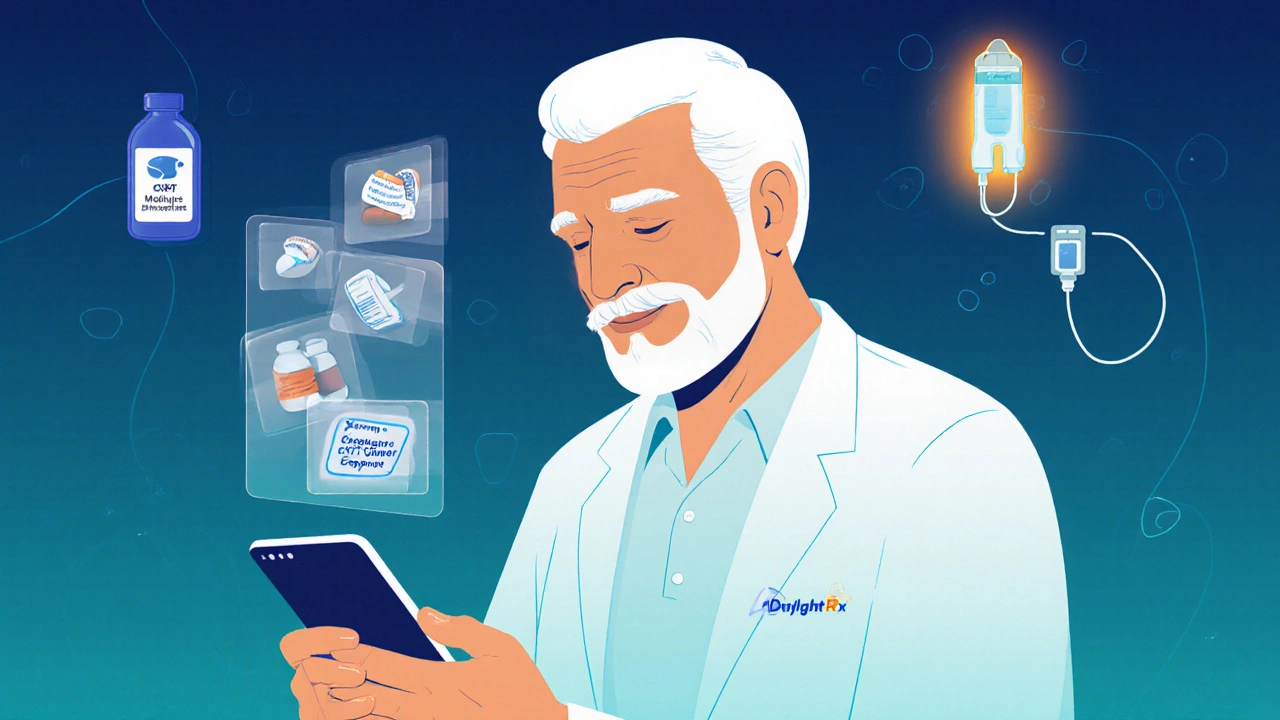
Digital Therapeutics and Medication Interactions: What You Need to Know in 2025
Digital therapeutics are now FDA-cleared medicines that interact with your prescriptions. Learn how they improve adherence, where risks lie, and what you need to know in 2025 to use them safely.
November 17 2025